Author: tanya

  • Blast Furnace Life Extension: Why Steelmakers Reline Instead of Rebuilding

    Blast Furnace Life Extension: Why Steelmakers Reline Instead of Rebuilding

    Blast furnace life extension has quietly become the main capital strategy in ironmaking. Instead of replacing an ageing furnace with a new process route, steelmakers are relining hearths and continuing campaigns. U.S. Steel’s decision to fund a 350 million dollar relining of blast furnace No. 14 at Gary Works, together with a further 200 million dollars of downstream upgrades, is the clearest example of the trade-off being decided in favour of the existing asset.

    The arithmetic in one paragraph

    A new direct reduction and electric arc route at the scale of a modern integrated plant costs billions of euros and takes years to permit, build and ramp. A reline is a fraction of that, is measured in months, and buys a campaign that can run 15 to 20 years. When steel demand is uncertain and carbon policy is still being written, spending a tenth of the money to keep a working asset running is the rational choice – and it is why life extension keeps tapholes in service.

    What limits furnace life

    Campaign length is decided in the hearth, and the hearth is where the taphole lives. Three mechanisms set the clock:

    • Refractory erosion at the taphole. Every cast puts hot metal across the same region. Clay quality, taphole depth and drilling diameter all influence how fast the local lining wears.
    • Hearth sidewall wear. Deep drilling past the intended depth, or drilling when the taphole is already open, accelerates erosion of areas you cannot replace without a reline.
    • Cooling and shell condition. Stave and cooling performance decides how much heat the refractory is asked to hold back.

    Only the first two are influenced by how you drill, and they are the reason a plant can extend a campaign simply by drilling better. Our guides to cross type drill bits and to standard drilling practice both come back to the same point: controlled depth and clean alignment preserve the hearth.

    The consumables decision inside a life extension plan

    Once a plant decides to extend life, consumables stop being a commodity line item:

    • Diameter discipline. Drilling 5 mm oversize for convenience wears the taphole and the lining faster than any price saving on the bit can repay.
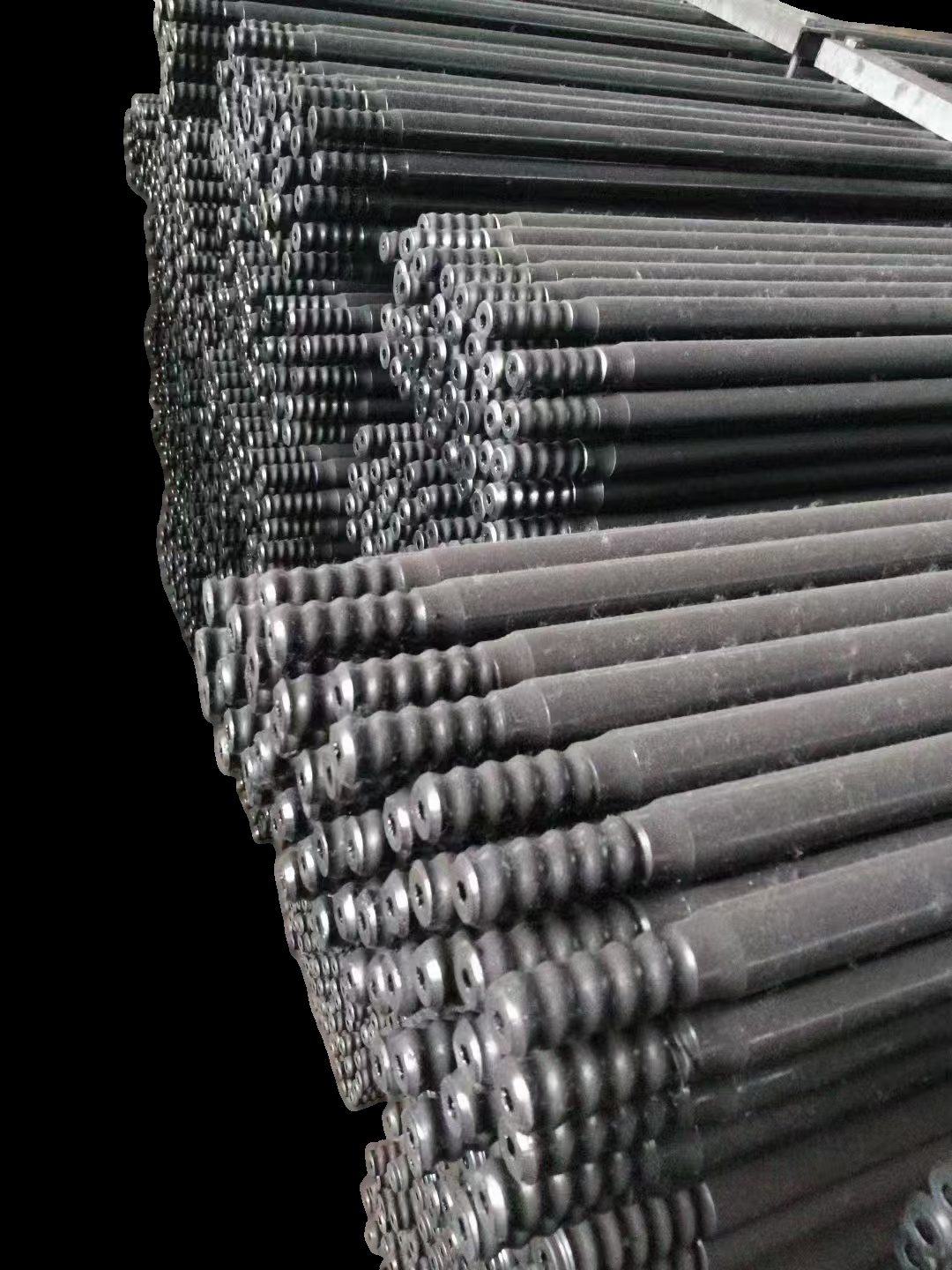
    • Rod stiffness and straightness. A bent rod drills an oval hole and loads the taphole unevenly. Grade choice is covered in 42CrMo versus 40Cr.
    • Carbide quality. A bit that stops cutting mid hole invites the operator to push harder, which is when depth control is lost – see tungsten carbide tips for blast furnace drilling.
    • Matched sets. New and worn parts in one string is the most common cause of breakage, and breakage is the most expensive way to save money.

    Keeping a campaign on track

    Weekly discipline matters more than any single purchase. Record penetration time per hole, note every change of bit or rod and the reason for it, and review the record monthly against the cast schedule. A slow upward drift in drilling time is the earliest signal that the clay, the taphole or the tool has changed – and it is far cheaper to catch in week three than in the reline that follows. Plants that keep this record often find they can extend bit life by a third simply by correcting depth control and thread condition.

    Frequently asked questions

    How long does a reline buy?

    Commonly 15 to 20 years of campaign life, depending on hearth design, operating rate and how the taphole is managed.

    Can better drilling tools extend furnace life on their own?

    Not on their own – but poor drilling can certainly shorten it. Consumables that cut cleanly and hold their diameter let the operator drill to depth instead of forcing the tool.

    Extending a campaign is a plan made of small decisions. Send us your taphole diameter, clay and drilling machine details, and we will tell you which of those small decisions your current tool set is getting wrong.
  • European Steel Energy Costs: Running a Cast House on a Smaller Maintenance Budget

    European Steel Energy Costs: Running a Cast House on a Smaller Maintenance Budget

    European steel energy costs have reshaped the continent’s industry faster than any trade measure. German crude steel output fell 8.6 percent in 2025 to 34.1 million tonnes. Japan, facing its own structural pressures, fell 4.0 percent. The mills that remain are running tighter campaigns, shorter maintenance windows and budgets that were set in better years – and taphole drilling is one of the accounts where that pressure is felt first.

    The squeeze, in three numbers

    • Output down, fixed cost unchanged. A plant making 8 percent less steel has the same furnaces, the same cast houses and the same crews.
    • Energy is a first order cost. Every stop and start, every cold restart and every delayed cast carries an energy penalty as well as a production one.
    • Consumables are visible, capital is not. When budgets tighten, the easiest line to cut is the one that looks like a repeat purchase – rods, bits, adapters.

    Why cutting tool price is usually the wrong lever

    A taphole tool account is measured in thousands of euros a year. A lost cast is measured in hours of furnace time, plus the energy involved in recovering the schedule. That asymmetry is the whole argument:

    • A rod that breaks in the taphole can cost a full cast, and sometimes a drilling machine repair.
    • A bit that stops cutting cleanly invites the operator to push feed rates, which wears the taphole and shortens lining life.
    • An out of tolerance thread loosens under vibration and turns a consumable problem into a safety problem.

    None of that is visible in a quotation comparison, which is why the useful metric is cost per metre drilled, and why the maintenance manual should be built around wear forms and life extension rather than around price lists.

    Five savings that do not cost you a cast

    • Consolidate part numbers. Fewer variants mean less dead stock, simpler purchasing and better prices per order.
    • Fix the depth and diameter rules. Over drilling wears the hearth; under drilling wears the operator’s patience. Both are expensive.
    • Refurbish what can be refurbished. Couplings and adapters that are still in tolerance are cheaper than new ones, provided inspection is honest.
    • Buy matched sets. New bit, new rod, new adapter. Mixing wear states is how breakage budgets start.
    • Keep a critical spares buffer. Air freight for one connector costs more than a year of storing ten of them.

    The same logic applies to the drill steel itself: the right grade for your conditions is a cost decision, and choosing between 42CrMo and 40Cr is about matching hardness and toughness to the load the rod actually sees.

    What a smaller budget should protect first

    If the budget will not stretch, protect the parts that stop production and buy economically everywhere else. In practice: never run a worn adapter or connector, keep rod straightness as a rejection criterion, and hold one complete spare string per drilling machine. The savings available are in the purchasing method – fewer part numbers, scheduled deliveries, matched sets – rather than in the tools themselves. A plant that buys one good tool set a year and uses it properly spends less than one that buys two cheap sets and loses a cast in between.

    Frequently asked questions

    Are European steelmakers buying fewer consumables?

    They are buying more carefully. Volumes follow the cast schedule, which has been more resilient than tonnage, but every purchase now goes through a cost per hole argument.

    What is the most effective way to reduce taphole tool spend?

    Extend life rather than lower specification: correct geometry, matched sets, disciplined drilling depth and a supplier who can hold tolerances batch after batch.

    If your budget has been cut and your cast schedule has not, send us your current part list. We will show you where a specification change costs less per hole than the cheaper alternative.

  • Simandou Iron Ore and Blast Furnace Ironmaking: Why Taphole Demand Holds

    Simandou Iron Ore and Blast Furnace Ironmaking: Why Taphole Demand Holds

    The ramp up of Simandou iron ore in Guinea is the largest addition to seaborne supply in a generation, and it arrives at an awkward moment for anyone who expected ironmaking to fade. High grade ore with low alumina and low phosphorus is exactly what a blast furnace wants: more iron units per tonne charged, lower slag volume, lower coke rate and higher productivity. The consequence for the cast house is straightforward. A furnace running better ore runs hotter and faster, and a hotter, faster furnace drills more tap holes per day.

    What better ore does to a furnace

    • Higher hot metal output. Productivity gains show up as more tonnes per day from the same hearth – and more casts.
    • Lower slag rate. Less slag to handle per tonne of iron, which changes tapping rhythm.
    • Steadier operation. Fewer burden related disturbances, which means the cast schedule can be run harder.
    • Different taphole behaviour. Cleaner iron and less slag interaction at the taphole can change how clay sets and how the hole opens.

    Each of these moves consumable demand in the same direction. When a furnace is asked for more production, the taphole is asked to open more often, and the tools receive more thermal cycles in less time.

    High grade ore is not only for blast furnaces

    The same ore feeds the direct reduction route, which also needs pellets and lump material, and which is being built out in Europe, the Middle East and Australia. Iron ore supply and ironmaking capacity are being planned together at a scale not seen for decades: new mines in Guinea, direct reduction plants in Oman and Sweden, and reline projects at existing integrated works. All of it is ironmaking. Some of it taps through clay, some of it does not – but the industry that drills tapholes is not shrinking in the medium term, it is being re-equipped.

    What a plant should do about higher cast rates

    • Revisit rod grade. More cycles per shift means heat accumulates. Our notes on material selection for high temperature drill rods exist for exactly this condition.
    • Check depth control. Faster drilling makes it easier to overshoot. Depth discipline protects the hearth – see the drilling procedure.
    • Raise stock levels with the cast schedule. If casts rise from 10 to 12 a day, tool consumption rises by roughly the same proportion. Running out is not a saving.
    • Look at bit geometry for the new clay behaviour. A hole that opens differently is a signal to re-check the cutting geometry, not to drill harder.

    If a productivity programme is on your agenda, the tools are a small part of the cost and a large part of the reliability. The wider market picture is in our overview of the market prospects for blast furnace taphole drilling tools.

    The takeaway for the cast house

    Higher productivity is welcome news for a steel plant and a demanding one for its consumables. Expect to revisit rod grade, bit geometry and depth control within a few months of a major ore change, and expect consumption to move with the cast rate rather than with annual tonnage. None of that requires new equipment. It requires a supplier who can build the geometry the furnace now wants, and a purchasing plan that raises stock with the schedule instead of reacting to the first shortage.

    Frequently asked questions

    Does high grade iron ore reduce the number of blast furnaces?

    Not directly. It raises productivity per furnace, which is one reason plants prefer relining existing furnaces to building new ones.

    Will Simandou ore change taphole tool specifications?

    It can change drilling behaviour through hotter, cleaner iron and a different slag regime. Expect to revisit bit geometry and rod grade after the transition, not before.

    Raising furnace productivity or switching ore sources? Send us the change you are making and a description of the taphole, and we will recommend the tool set that fits the new operating point.

  • The Four Wear Parts That Decide Your Cast House Drilling Cost

    The Four Wear Parts That Decide Your Cast House Drilling Cost

    Ask a steel plant what it spends on cast house drilling cost and you will usually get the price of a bit. That number is the least useful figure in the budget. The money that actually leaves the plant is spread across four wear parts that work as one system – the bit, the rod, the adapter and the connector – and the way each of them fails decides whether taphole drilling is a small consumable line or a recurring source of downtime.

    Part 1: the bit

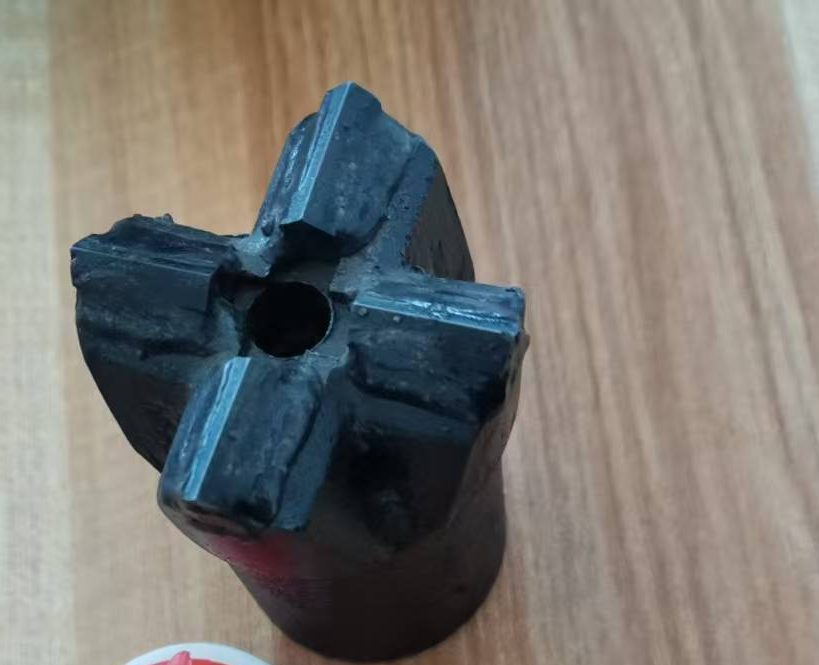
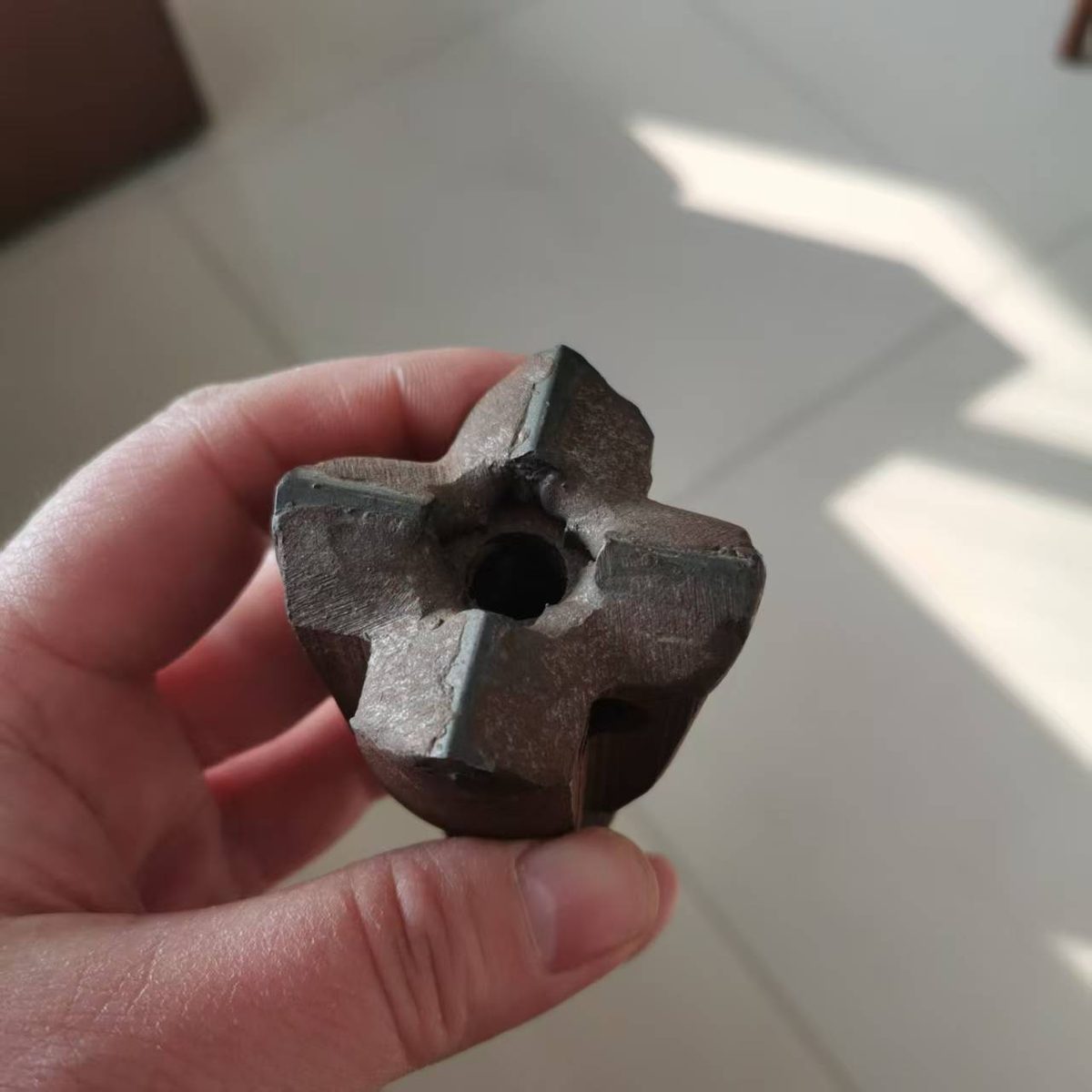
    The bit is the visible cost and rarely the largest one. A taphole cross bit or button bit typically opens a number of holes before it stops cutting cleanly, and the warning signs are consistent: slower penetration, more heat, a polished rather than cut hole. Wear reading matters more than wear itself – our guide to six wear patterns and what they mean explains how a rounded gauge, a chipped insert and an eroded body point to three different causes.

    What a plant should track: holes per bit, penetration time per hole, and the reason the bit was retired. If bits are retired because the operator wanted a fresh one rather than because the tool had stopped cutting, the consumable budget is paying for confidence rather than for work.

    Part 2: the rod

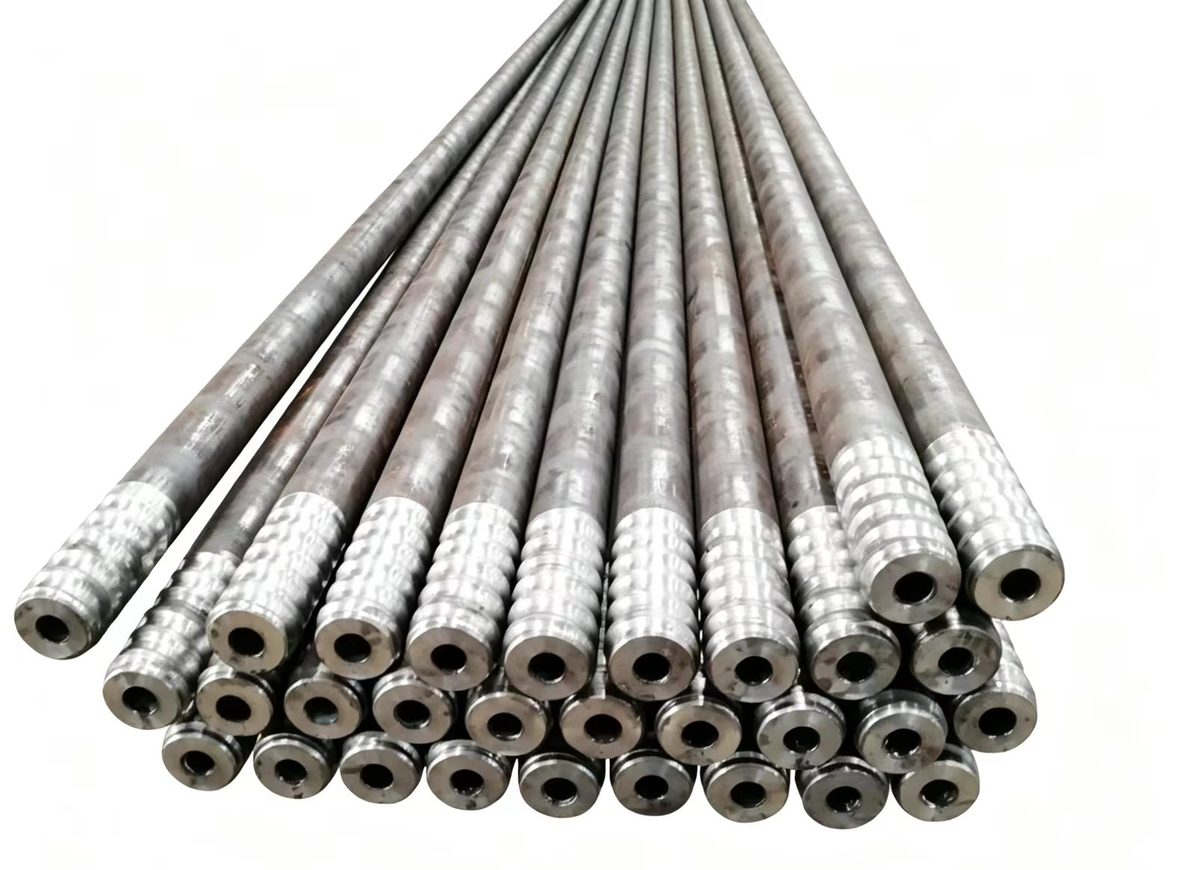
    The rod is where geometry and metallurgy meet the furnace. It carries impact, torque, heat and, in a bad day, a stuck bit. Two things shorten its life: a bend that was never straightened, and a grade that is wrong for the load. Straightness is not cosmetic. A bent rod drills an oval hole, loads the taphole unevenly and transfers shock into the joint – which is why the basics of rod structure and load characteristics are worth re-reading before the next grade change.

    Part 3: the adapter

    The adapter is the part that most plants forget to inspect. It is also the part whose failure stops production fastest, because a broken adapter stops the string from being pulled or seated. Shank life is a maintenance subject in its own right – the small parts and how they fail are covered in shank adapters and striking bars – and it is one of the few places where a five minute inspection genuinely prevents a lost cast.

    Part 4: the connector or coupling

    Connectors and coupling sleeves carry the full vibration of the string and are usually the first to show thread damage. A loose thread is not a fitting problem, it is a breakage waiting to happen, and the mechanics are well documented in our article on why coupling sleeves fail and how to make them last. Thread tolerance, cleanliness and matched wear are the three variables a plant can control.

    Adding the four into one useful number

    The number to report is cost per taphole opened, and it is built from five inputs:

    • bits consumed per 100 holes
    • rods consumed per 1,000 holes
    • adapters and connectors consumed per year
    • labour and drilling machine time per cast
    • the cost of a delayed or lost cast

    Most plants know the first number and guess the rest. The guess is usually wrong in a helpful direction: when the arithmetic is written down, cheaper bits often cost more per hole than the alternative, and the repair budget appears in a line nobody was tracking. Our cost per metre guide shows the same calculation for drilling in general.

    Frequently asked questions

    Which wear part costs the most over a year?

    It depends on the plant, but the ranking is usually rods and connectors before bits, because a single failure there stops a cast while a dull bit merely slows one.

    How do we cut cast house drilling cost without risking the taphole?

    Match parts to the machine and the clay, keep sets in the same wear state, inspect adapters and connectors, and buy on cost per hole with a supplier who can hold tolerances across batches.

    Start with what you already throw away. Photograph the last four bits, rods or connectors you retired and send us the photos with your taphole diameter and clay type – we will tell you which of the four wear parts is really spending your budget.

  • R32 Left-Hand Thread Explained: Why Taphole Drills Turn the Other Way

    R32 Left-Hand Thread Explained: Why Taphole Drills Turn the Other Way

    Order a taphole bit from a standard catalogue and it will frequently arrive with an R32 left-hand thread – and if your drilling machine turns the other way, that bit is useless to you. The left hand thread is not a quirk of one supplier. It is a design consequence of how taphole drilling machines work, and understanding it is the difference between a tool string that tightens under load and one that walks itself apart inside a furnace.

    What R32 means

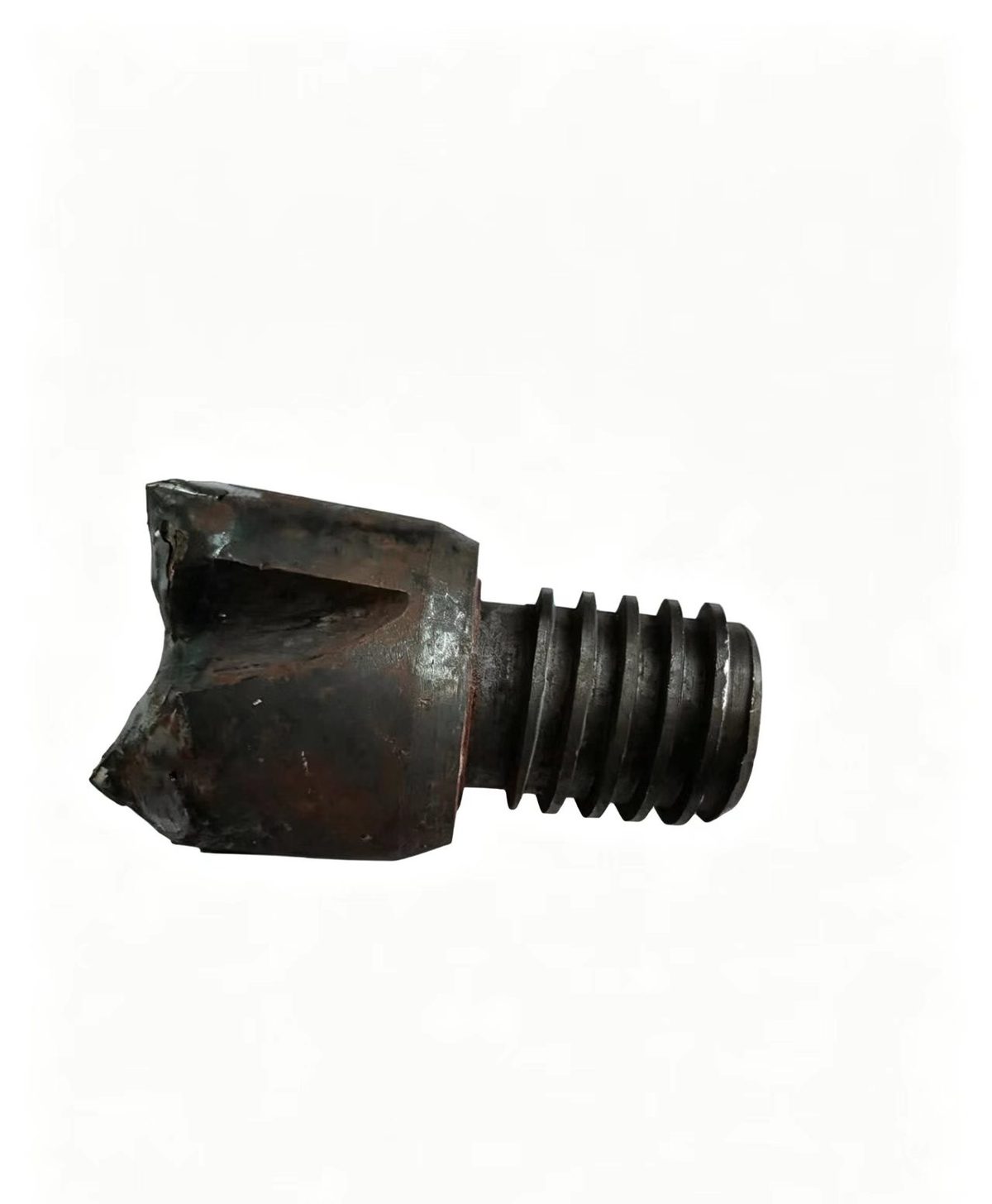
    R32 is a rope thread profile – a rounded, metric thread widely used on small to medium drilling equipment, including taphole drills and ferroalloy furnace tapping machines. It is specified by profile and pitch, not by diameter alone, and it appears on both drill bits and adapter rods. In the taphole tooling world, common bit diameters sit in the 70 to 75 mm band, with R32 connections at the shank end.

    Two properties travel with every R32 connection:

    • Hand. Left or right. The thread either tightens or loosens when the machine turns.
    • Tolerance class. How much clearance the joint has. A loose joint in a high vibration application is a failure waiting for a deadline.

    Why left hand exists

    On many taphole drilling machines the spindle rotates counter-clockwise when viewed from the machine, and the tool string is designed so that this rotation tightens the joints rather than unscrewing them. A left-hand thread does exactly that in a counter-clockwise rotation. The result is a self-tightening string: torque from the cut works with the thread instead of against it, and the bit stays seated while it is under load.

    Reverse the logic and the failure mode is obvious. A right-hand bit on a counter-clockwise machine is tightened by nothing and loosened by everything. The first symptom is usually a bit left behind in the taphole, followed by thread damage and, in the worst case, a rod that cannot be withdrawn without a long stoppage.

    How to check what your machine needs

    • Read the machine documents. Rotation direction and connection type are specified on the machine data sheet, not inferred from the tool you happen to have in the rack.
    • Look at the old tool. A used bit that has been run on the machine will show a witness mark where it seated. The thread direction can be read directly from it.
    • Use a thread gauge and a caliper. Profile, pitch and major diameter should all be checked before an order, especially when switching suppliers.
    • Write the hand into the purchase order. This is the single most common omission we see in taphole tool enquiries.

    Thread condition is the second half of the story. Even the right hand will not save a joint that is worn, dirty or cross-threaded, which is why thread matching deserves its own procedure: see matching rods and bits by thread, diameter and length, and the list of five on-site causes of breakage for the failure patterns that follow a bad joint.

    Ordering the thread you actually need

    Most taphole tooling is produced to a drawing, which means the machine’s requirements come first and the catalogue comes second. A supplier who can machine R32 left and right hand, in the diameters and lengths the machine needs, is worth more than one who can only ship what is in stock. When you place the order, specify the connection, the diameter of the bit, the rod length, and the material and hardness range expected. If a supplier cannot accept those four lines as a specification, that supplier is selling you a commodity, not a tool.

    Frequently asked questions

    Can a left-hand threaded bit be used on a right-hand machine?

    Not safely. The joint will loosen under load. Match the hand to the machine rotation before ordering anything.

    Are all taphole drills left hand?

    No. Left hand is common, but the machine decides. Confirm from the equipment documentation rather than from the last supplier’s delivery note.

    Send us a photo of your machine’s spindle or a used bit and the connection you need, and we will confirm the thread hand, diameter and length before anything is machined.

  • Taphole Clay and Bit Design: Matching the Tool to Your Furnace

    Taphole Clay and Bit Design: Matching the Tool to Your Furnace

    Two steel plants with identical furnaces can have completely different drilling experiences, and the reason is usually the taphole clay. Clay is the material that seals the iron notch between casts, and it is also the first thing the drill bit meets. Its composition, its temperature and its cure time set the resistance the tool has to cut through, and resistance is what determines whether a bit lasts ten holes or forty.

    Clay is not one material

    Taphole clay is a designed refractory body, not a filler. The families differ in binder, water content and behaviour under heat:

    • Water based clay relies on water for workability and sets as the water leaves. It tends to be easier to drill and sensitive to how long it has cured.
    • Tar and pitch bonded clay develops strength through carbonisation. It can be noticeably harder at the taphole, with a tougher skin where it meets hot metal.
    • Resin and advanced bonded mixes are formulated for specific furnace conditions – deep tapholes, aggressive slag regimes, long cast sequences.

    Add temperature and time and the same clay can feel like two different materials. A hole drilled too early is often soft and gummy; the same hole drilled after full cure can be hard and brittle. Operators feel this as a change in feed pressure, and it is the reason a drilling procedure should define both the sequence and the timing – as set out in our standard operating procedure for taphole drilling.

    How clay hardness drives bit geometry

    Bit design follows from what the bit has to cut:

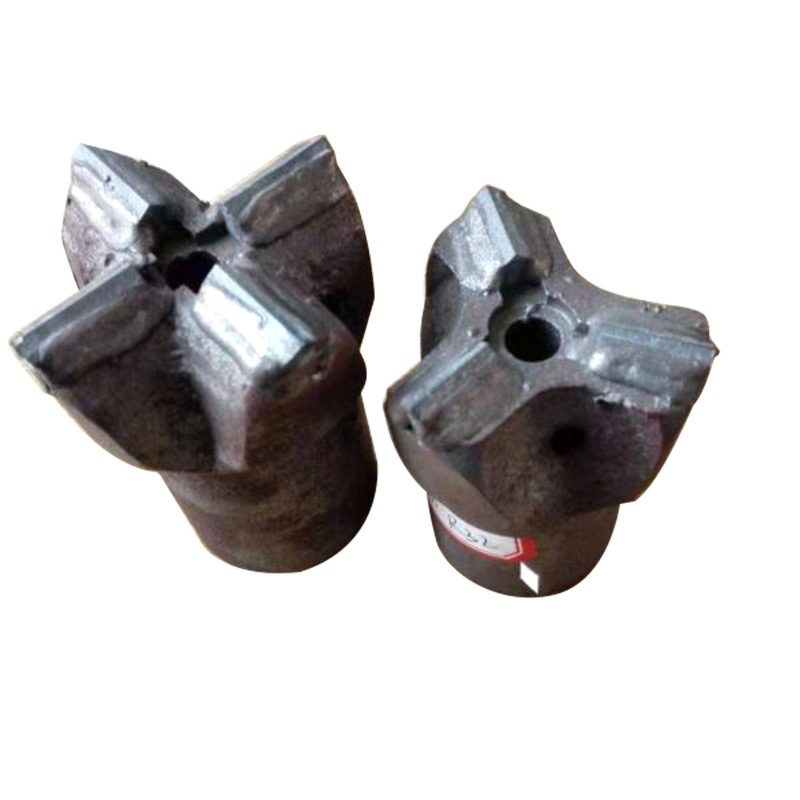
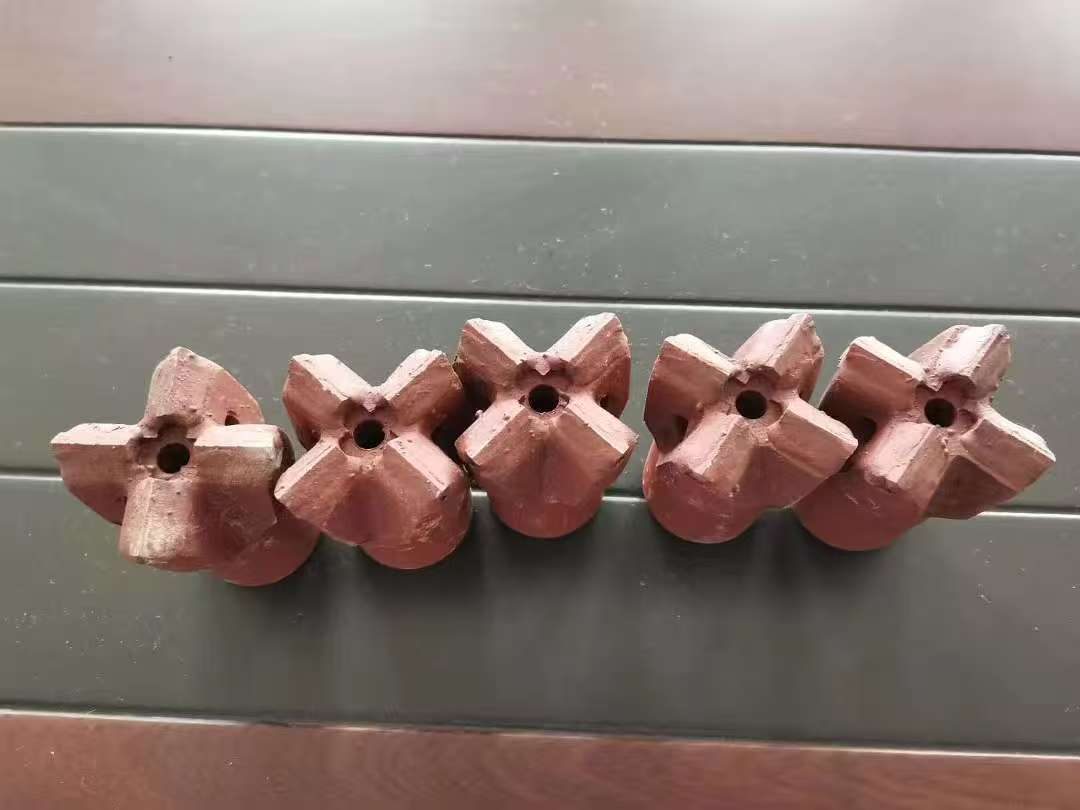
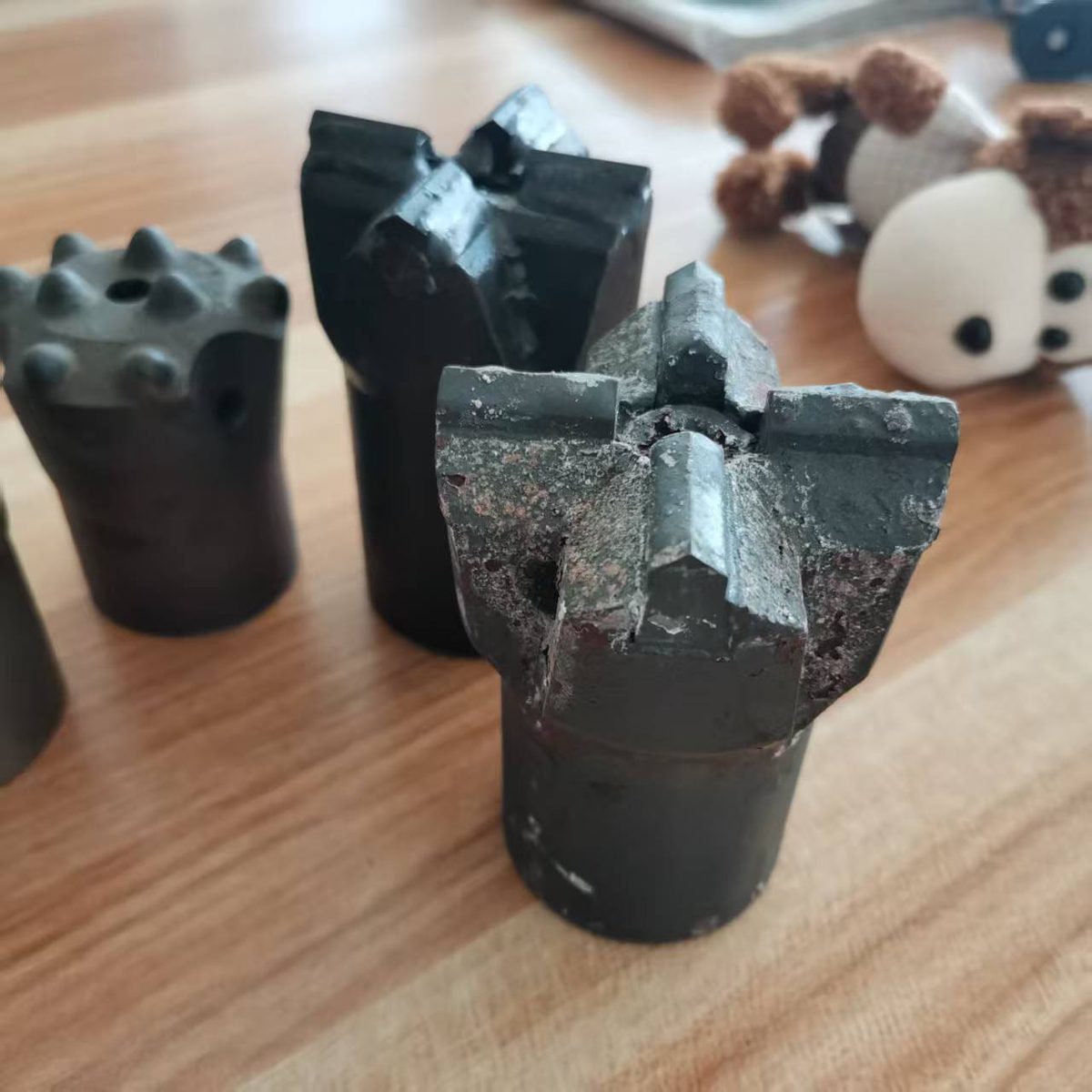
    • Cross bits with four wings and carbide inserts or buttons cut a round, centred hole and suit a wide range of clay conditions. The geometry that makes them work through clay and lining is described in how cross type bits cut taphole clay and lining.
    • Slitter and narrow profile bits concentrate force into a small area, which helps when a hole has to be started in hard, well cured clay or reopened after a partial seal.
    • Button faced and dome bits crush rather than shave. They hold up in abrasive, high temperature conditions but sacrifice some centring behaviour.
    • Gauge protection matters in every design: once the outer diameter wears under size, the hole starts to close and the following holes get harder to drill.

    The specification conversation worth having

    When a plant changes clay supplier, the drilling tools are usually the last item on the list and the first to be blamed. A better sequence:

    • Note the clay type, batch and cure time on the drilling record for one week.
    • Record penetration time per hole, feed pressure and any bit changes.
    • If the numbers move, revisit bit geometry and carbide grade before touching feed rates or drilling depth.
    • Ask the tool supplier for a trial batch in the geometries you want to compare – see custom bits and rods built to working conditions.

    What a plant should not do is compensate for harder clay by drilling deeper or faster. That pushes the tool past the taphole into the hearth lining, which is a consumable problem converted into a refractory problem. Carbide grade selection is part of the answer, and it is covered in tungsten carbide tips for blast furnace drilling.

    Frequently asked questions

    Does harder clay need a different bit?

    Usually a different geometry and a tougher carbide grade, not simply a larger machine. Measure penetration time first, then change one variable at a time.

    Can a bit be reused across different clay types?

    It can, though life and cutting behaviour will vary. If a plant runs different clay bodies for different furnaces, keep the tool sets separated and labelled.

    Tell us the clay you use, the taphole depth and the diameters you drill, and we will recommend bit geometries to trial side by side.

  • Taphole Drilling Safety: What the Tool Set Contributes to a Safer Cast House

    Taphole Drilling Safety: What the Tool Set Contributes to a Safer Cast House

    Cast house work happens in front of a stream of molten iron, which makes taphole drilling safety a frontline discipline rather than a compliance exercise. Procedures, protective equipment and training carry most of the weight, but a surprising share of incidents trace back to the tool set: a rod with a hidden crack, a connector with a worn thread, an adapter that was pressed back into service one campaign too long.

    Where the tool set meets the hazard

    • Breakout and blowback. When the hole opens, hot metal and gas leave under pressure. The drill must be withdrawn promptly and cleanly, which depends on a string that is not jammed.
    • Tool breakage. A rod or adapter that fails under torque releases stored energy and leaves debris in the taphole, close to people and equipment.
    • Kickback and machine reaction. Oversized tools, a blunt bit or a bent rod all raise the reaction the operator has to control.
    • Heat and steam. A tool run past the taphole carries heat back along the string. Length matters here, and so does the cooling arrangement around the machine.

    The pre-cast check that takes three minutes

    • Straightness. Roll the rod on a flat surface. Any visible run-out is a rejection, not a straightening job.
    • Thread condition. Look for flattened crests, galling and corrosion. Thread damage is progressive and always gets worse.
    • Seating. Fit the bit by hand first. If it will not seat without force, do not run it.
    • Length and depth reference. Confirm the string length against the intended drilling depth, so the operator has a visible stop point.
    • Guard condition. Protective shields and centring pieces belong on the machine, every cast – they exist for a reason.

    The same disciplines appear, in a maintenance context, in our quality control checklist for drill bits and rods and in the driving procedure itself, from alignment to breakthrough.

    Buying decisions that are also safety decisions

    Consumable purchasing sets the physical limits of the job. Three choices matter more than price:

    • Material and heat treatment. A rod that is too hard fractures; too soft and it bends. The grade conversation for 42CrMo and 40Cr applies here first and to the forging, second to the price.
    • Thread tolerance. Loose joints back off under vibration. Tolerance should be a written requirement.
    • Consistency across batches. A tool set that behaves differently every delivery makes training and procedure unreliable.

    It is worth saying plainly: the lowest quotation is often the one with the least evidence behind it. The failure modes that follow are covered in five causes of bit breakage to check on site – every one of which is also a cast house risk.

    Making the routine stick

    A pre-cast check only works if it is quick and visible. Hang the rejection criteria on the wall of the tool store, keep a straightness plate and a thread gauge beside it, and give the operator the authority to refuse a part without a debate about cost. Track refusals: a rising count on one part number is a specification problem, and a falling count after a change is proof the fix worked. Safety performance in a cast house is built from small habits, and tool inspection is one of the least expensive of them.

    Frequently asked questions

    How often should rods and adapters be retired?

    On condition, not on a calendar. Retire on visible bend, thread wear, corrosion or any crack indication, and record the reason so that patterns appear early.

    Does a longer rod reduce heat exposure?

    It changes where the heat travels and how the operator controls the machine, which is why the length should match the drilling depth and the machine’s stroke rather than being chosen from stock.

    Building a tool standard for your cast house? Send us your taphole details and the failures you have seen, and we will propose a specification and an inspection routine that keeps the risks where they belong.

  • How Many Tapholes Does Your Furnace Drill a Year? The Consumable Arithmetic

    How Many Tapholes Does Your Furnace Drill a Year? The Consumable Arithmetic

    Most steel plants can tell you their hot metal output to the tonne and their taphole drilling consumables usage only as a feeling. That gap is where money hides, because consumable volume is not a mystery – it is arithmetic, and it can be written on one sheet of paper.

    Step 1: count the openings

    A taphole is opened once per cast. Take a furnace casting 12 times a day on two tapholes over a campaign year and the numbers stack up quickly:

    • 12 casts a day, 365 days a year: 4,380 taphole openings per furnace.
    • Two furnaces at that rate: 8,760 openings a year.
    • Add a third tapping point used during maintenance: another two to three hundred.

    Nothing in that calculation depends on steel price, exchange rates or the market. It is simply how often the clay has to be opened.

    Step 2: divide by tool life

    Tool life varies by clay, diameter and practice, but the shape of the answer is stable:

    • Bits. If a bit opens an average of 15 holes before it is retired, 4,380 openings need around 290 bits a year per furnace.
    • Rods. Rods normally outlast several bits. At 20 bits per rod, the same furnace consumes roughly 15 rods a year, plus replacements for bends and damage.
    • Adapters and connectors. Counted per machine and per year rather than per hole, but the stock level should still be derived from the number of drilling machines in service.

    The exact numbers matter less than the habit of tracking them. Two plants with identical furnaces can differ by 30 percent in bit consumption simply because one of them has disciplined depth control and matched sets. The difference is visible in wear forms and how to extend tool life.

    Step 3: convert to cost per hole

    Once volume is known, price becomes a calculation rather than an argument. Take the annual spend on bits, rods, adapters and connectors, and divide it by the number of holes opened. The resulting figure is the number to manage – and the number to compare when a supplier offers a cheaper part. Our guide to comparing drill bit prices on cost per metre sets out the same logic for drilling work generally.

    Two refinements are worth adding if you have the data: the cost of a delayed cast, and the cost of a breakage. Both convert a consumable line item into a downtime line item, and downtime is what the taphole actually controls – see practices that reduce taphole drilling downtime.

    Step 4: turn the arithmetic into a stock plan

    • Hold six to eight weeks of consumption for bits and rods, and consider one spare string per drilling machine.
    • Raise stock before relines and blow-ins, when consumption spikes for a few weeks.
    • Split the year into two or three purchase lots to keep order and freight overhead down.
    • Track actual against planned consumption monthly. A rising trend is a maintenance signal, not a purchasing one.

    Frequently asked questions

    How many holes should one bit open?

    It depends on clay, diameter and practice. What matters is that the number is known for your furnace, because it converts a feeling about quality into evidence.

    Should a plant buy tools monthly or annually?

    Most benefit from a planned volume agreement with scheduled deliveries, which secures pricing and keeps a buffer without locking up capital in the store.

    Send us your cast rate, taphole diameter and clay type, and we will help you build the volume and stock plan that matches it – with the drawings and certificates to back the supply.

  • Why Chinese Taphole Tools Cost Less: Five Structural Reasons, Not Five Shortcuts

    Why Chinese Taphole Tools Cost Less: Five Structural Reasons, Not Five Shortcuts

    Every purchasing manager has heard the same warning: if Chinese taphole tools cost less, something must have been left out. Sometimes that is true, and the traps are well documented in three traps behind low prices. But the assumption misses where the cost difference actually comes from. In most cases it is not a missing process – it is a different industrial structure, and that structure is worth understanding before the next quotation is opened.

    Reason 1: the whole supply chain sits in one region

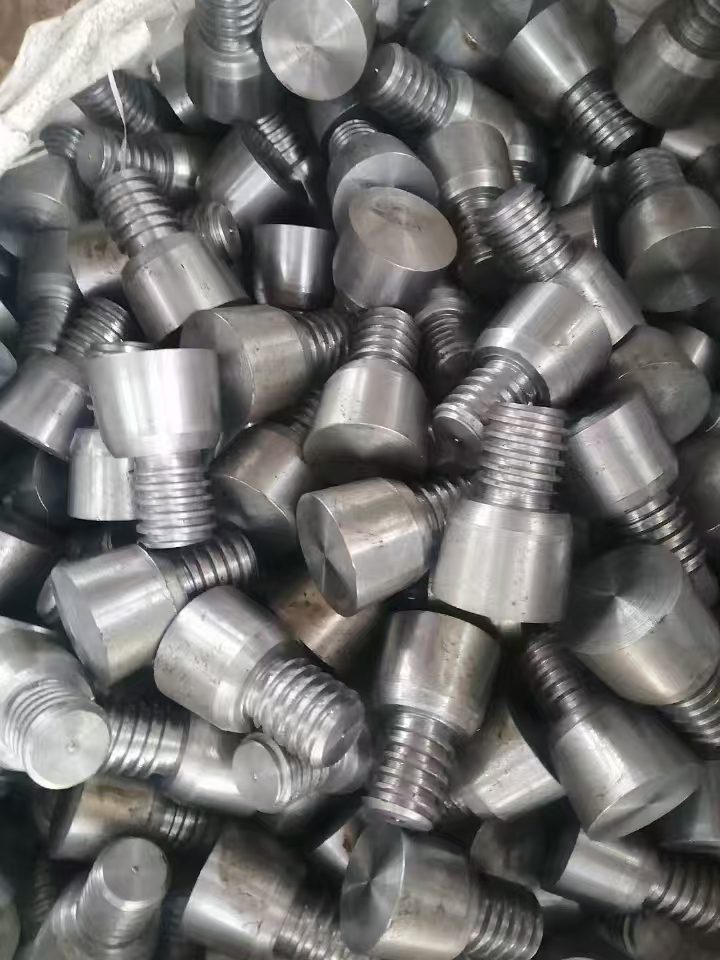
    A taphole drill rod is a short list of inputs: 42CrMo or 40Cr bar, a forged or machined shank, cemented carbide tips, a heat treatment cycle and a final machining and inspection pass. In China those inputs are produced within a few hours of each other. Bar arrives from a mill that supplies the region, carbide comes from a specialist producer, heat treatment is a neighbouring plant and the machining is done next door. Every handover is a truck ride rather than a container booking, and inventory can be held lean without risking the schedule.

    That is why a Chinese workshop can quote a price that assumes three suppliers within thirty kilometres, while a European or North American equivalent has to build in longer logistics and larger buffers.

    Reason 2: scale on a narrow product family

    Taphole and rock drilling tools are a specialised product line, and specialisation is where Chinese factories have invested. A workshop that does nothing but drill rods and bits runs duplicate tooling on the same operations, buys bar in larger tonnages and amortises setup cost across more parts. The scale is not in one enormous factory – it is in a dense cluster of specialised factories, which is what makes tooling and drawings cheap to change.

    Reason 3: process maturity, not process skipping

    The mature part is not the machinery, which is available everywhere. It is the process control: knowing which hardness range a 42CrMo rod needs for a given taphole, how to keep the core tough while the surface stays wear resistant, and how to inspect for it. Our notes on heat treatment and precision machining describe the steps that decide whether a lower price is a bargain or a liability, and why grade selection should be a specification item rather than a supplier’s choice.

    Reason 4: drawings, samples and changeovers are cheap

    Say you need a rod 200 mm longer with an R32 left-hand connection and a slightly different tip geometry. In a cluster of specialist workshops that request is a drawing and a fixture, and a sample can usually be produced quickly. A single integrated manufacturer with a full production line faces setup cost and scheduling friction for the same change. This is the advantage that matters most operationally: Chinese suppliers are used to building to a customer drawing, not only to shipping a catalogue part.

    Reason 5: export is a routine, not a project

    Tooling exports move through ports that handle steel products daily, with consolidators who know how to pack a heavy, dense, mixed shipment. The result is a landed cost that is lower than the shipping distance alone would suggest. The documentation side is routine too – the details worth writing into a purchase order are set out in our export packing guide.

    What this does not mean

    It does not mean the lowest quotation is safe. Structural advantages make good tools cheaper; they also make badly specified tools cheaper, and the buyer carries the risk if the specification is verbal. Ask for the material certificate, the hardness range, the thread tolerance and the inspection record, and compare suppliers on the same documents.

    What to send for a drawing based quote

    Four lines are enough to get a usable quotation, and they are the same four lines that keep a specification honest:

    • Connection: thread profile, hand and the machine it fits.
    • Dimensions: bit diameter, rod length and any depth reference the machine uses.
    • Working conditions: clay type, taphole depth, cast rate and whether the furnace is a blast or ferroalloy unit.
    • Acceptance: material grade, hardness range and the report that must accompany the shipment.

    Frequently asked questions

    Is a lower price always a sign of lower quality?

    No. It is a sign to check the specification. Two suppliers can machine identical products and differ only in the control behind them.

    How do we capture the cost advantage without the risk?

    Buy on a written drawing, insist on batch traceability and inspection reports, and start with a trial order that includes the geometries you use most.

    Send us your taphole drawings and the parts you currently buy, and we will quote on the same specification – hardness, thread tolerance and certificates included – so the comparison is like for like.

  • Buying Steel Plant Consumables From China: How to Judge a Supplier Before You Order

    Buying Steel Plant Consumables From China: How to Judge a Supplier Before You Order

    There is no shortage of suppliers of steel consumables from China. There is a shortage of suppliers a plant can keep for ten years. The difference is rarely visible in a price list, and it is almost always visible in one focused conversation about drawings, tests and lead times. Here is the checklist we would use if we were on the buying side.

    Six questions that separate suppliers

    • Can you quote to my drawing? A specialist works from your drawing and returns it with the quotation, including tolerances. A trader copies a catalogue part number.
    • Where is the heat treatment done in house? This is the single most revealing question for drill rods and bits. Furnace ownership and calibration tell you more than any brochure.
    • What do you measure, and with what? Hardness testers, thread gauges, run out checks and a documented inspection record are the minimum. Our quality control checklist lists what should be checked on every batch.
    • Which steel plants already buy this? References from steel cast houses – not only from mining or construction – show whether the supplier understands taphole conditions.
    • Will you make a trial batch? A plant that will produce the exact geometry you use, in a small quantity, intends to keep you.
    • Who answers technical questions? An engineer with drawings beats a sales channel with automatic replies.

    The documents to ask for and read

    • Material certificate for the bar: grade, heat number, chemical composition.
    • Hardness report with the test location, not only a value.
    • Dimensional inspection record for the parts you care about: length, diameter, run out, thread gauge result.
    • Packing specification covering protection of cutting edges, corrosion protection and container loading – see export packing.

    Read them rather than filing them. A certificate for the wrong heat number is more informative than no certificate at all.

    Red flags worth walking away from

    • A price that undercuts every other offer without a stated hardness range.
    • Claims to make anything – from drill bits to scaffolding – on one site.
    • Unwillingness to state a thread tolerance class.
    • Sample policy that quietly sends a different product than the quotation describes.
    • No interest in the operating conditions: clay type, taphole diameter, drilling machine.

    Why custom production is a quality signal

    A supplier that builds to your conditions has to understand them. That conversation is what the custom bits and rods service is built around, and it produces a better outcome than choosing from a shelf: the tool matches the taphole depth, the clay and the machine rather than approximating it.

    How to run a first order

    Structure the first order so that it tests the supplier as much as the product. Ask for one part from each family you buy – a bit, a rod, an adapter, a connector – with the drawings and certificates attached, and measure them on arrival against your own gauge. Then run the tools on a shift where you can watch penetration time and feed pressure. A supplier who supports that process patiently is a supplier to keep; one who treats it as an inconvenience will be just as inconvenient when a casting schedule depends on them.

    Frequently asked questions

    Should a first order be a sample or a full shipment?

    A trial batch of the geometries you use most, checked against your own measurement, is the lowest cost form of due diligence available.

    Is a factory audit necessary?

    For a long term consumable account it pays for itself. If travel is not practical, ask for the inspection record, then verify the first two deliveries by cutting and measuring one part.

    If you would like the checklist applied to a live requirement, send us your drawing and operating conditions and we will return a quotation with the certificates, tolerances and packing details attached.