Most steel plants can tell you their hot metal output to the tonne and their taphole drilling consumables usage only as a feeling. That gap is where money hides, because consumable volume is not a mystery – it is arithmetic, and it can be written on one sheet of paper.
Step 1: count the openings
A taphole is opened once per cast. Take a furnace casting 12 times a day on two tapholes over a campaign year and the numbers stack up quickly:
- 12 casts a day, 365 days a year: 4,380 taphole openings per furnace.
- Two furnaces at that rate: 8,760 openings a year.
- Add a third tapping point used during maintenance: another two to three hundred.
Nothing in that calculation depends on steel price, exchange rates or the market. It is simply how often the clay has to be opened.
Step 2: divide by tool life
Tool life varies by clay, diameter and practice, but the shape of the answer is stable:
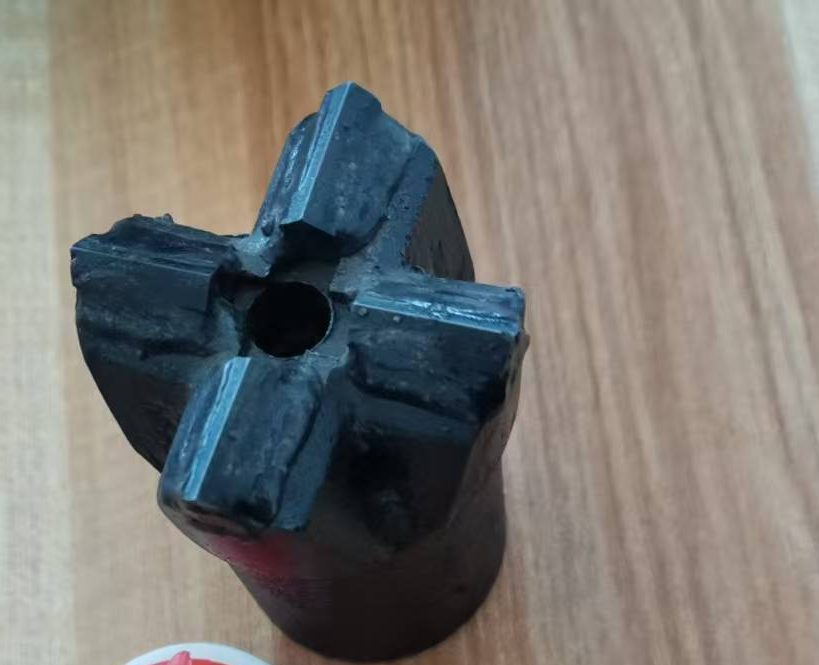
- Bits. If a bit opens an average of 15 holes before it is retired, 4,380 openings need around 290 bits a year per furnace.
- Rods. Rods normally outlast several bits. At 20 bits per rod, the same furnace consumes roughly 15 rods a year, plus replacements for bends and damage.
- Adapters and connectors. Counted per machine and per year rather than per hole, but the stock level should still be derived from the number of drilling machines in service.
The exact numbers matter less than the habit of tracking them. Two plants with identical furnaces can differ by 30 percent in bit consumption simply because one of them has disciplined depth control and matched sets. The difference is visible in wear forms and how to extend tool life.
Step 3: convert to cost per hole
Once volume is known, price becomes a calculation rather than an argument. Take the annual spend on bits, rods, adapters and connectors, and divide it by the number of holes opened. The resulting figure is the number to manage – and the number to compare when a supplier offers a cheaper part. Our guide to comparing drill bit prices on cost per metre sets out the same logic for drilling work generally.
Two refinements are worth adding if you have the data: the cost of a delayed cast, and the cost of a breakage. Both convert a consumable line item into a downtime line item, and downtime is what the taphole actually controls – see practices that reduce taphole drilling downtime.
Step 4: turn the arithmetic into a stock plan
- Hold six to eight weeks of consumption for bits and rods, and consider one spare string per drilling machine.
- Raise stock before relines and blow-ins, when consumption spikes for a few weeks.
- Split the year into two or three purchase lots to keep order and freight overhead down.
- Track actual against planned consumption monthly. A rising trend is a maintenance signal, not a purchasing one.
Frequently asked questions
How many holes should one bit open?
It depends on clay, diameter and practice. What matters is that the number is known for your furnace, because it converts a feeling about quality into evidence.
Should a plant buy tools monthly or annually?
Most benefit from a planned volume agreement with scheduled deliveries, which secures pricing and keeps a buffer without locking up capital in the store.
Send us your cast rate, taphole diameter and clay type, and we will help you build the volume and stock plan that matches it – with the drawings and certificates to back the supply.