Category: News

Blast Furnace Drill Rod Manufacturer News Center, providing real-time updates on factory dynamics, new blast furnace opening tools, metallurgical industry news, foreign trade orders, and exhibition information. Share technical upgrades of blast furnace drilling tools and product cases, learn about our latest production progress and overseas cooperation projects. Welcome steel mill customers to consult and negotiate.

  • Custom Drill Bits and Drill Rods: From Working Conditions to Finished Products

    Custom Drill Bits and Drill Rods: From Working Conditions to Finished Products

    Standard tools cover many blast furnace applications, but some operations require a customized size, thread, material, or button layout. Successful customization begins with accurate information from the working site. The goal is not to create the most complex tool, but to match the complete drilling assembly to the actual machine and taphole conditions.

    Provide the Complete Equipment Information

    Start with the drilling-machine model, shank type, rotation speed, impact energy, and feed method. Include the diameter and length of the current drill rod, bit diameter, thread specification, and the dimensions of any coupling sleeves or adapters. Photographs and dimensional drawings can prevent misunderstandings that are difficult to detect from text alone.

    Describe the Taphole Conditions

    Record the usual hole depth and diameter, drilling angle, and the type of material encountered. Note whether drilling is affected by hard slag, iron skull, excessive dust, high temperature, or sudden changes in resistance. If possible, include the number of holes completed by the current tool and how it usually fails.

    Define the Improvement Target

    • Increase penetration speed.
    • Extend bit or rod service life.
    • Improve hole diameter accuracy.
    • Reduce vibration and connection loosening.
    • Replace an obsolete or difficult-to-source size.
    • Simplify the number of components used across a workshop.

    What Can Be Customized

    Custom work may include drill-bit diameter, shank dimensions, body length, carbide grade, button count, button spacing, flushing passages, rod diameter, rod length, and thread connection. The exact scope depends on the machine and safety requirements. Any change to one part should be reviewed against the full assembly to ensure alignment and compatibility.

    Review the Drawing Before Production

    A production drawing should show critical dimensions, tolerances, material specification, thread details, surface requirements, and identification marks. Confirm the drawing before manufacturing begins and ask how inspection will be performed. For a new design, a sample trial can reveal practical issues that are difficult to see in a technical review.

    Evaluate the Trial with Measurable Results

    Compare the custom tool with the existing product under similar conditions. Track drilling time, holes completed, wear pattern, vibration, connection condition, and operator feedback. This data shows whether the design met the intended objective and whether a second iteration is justified.

    Custom Manufacturing Support

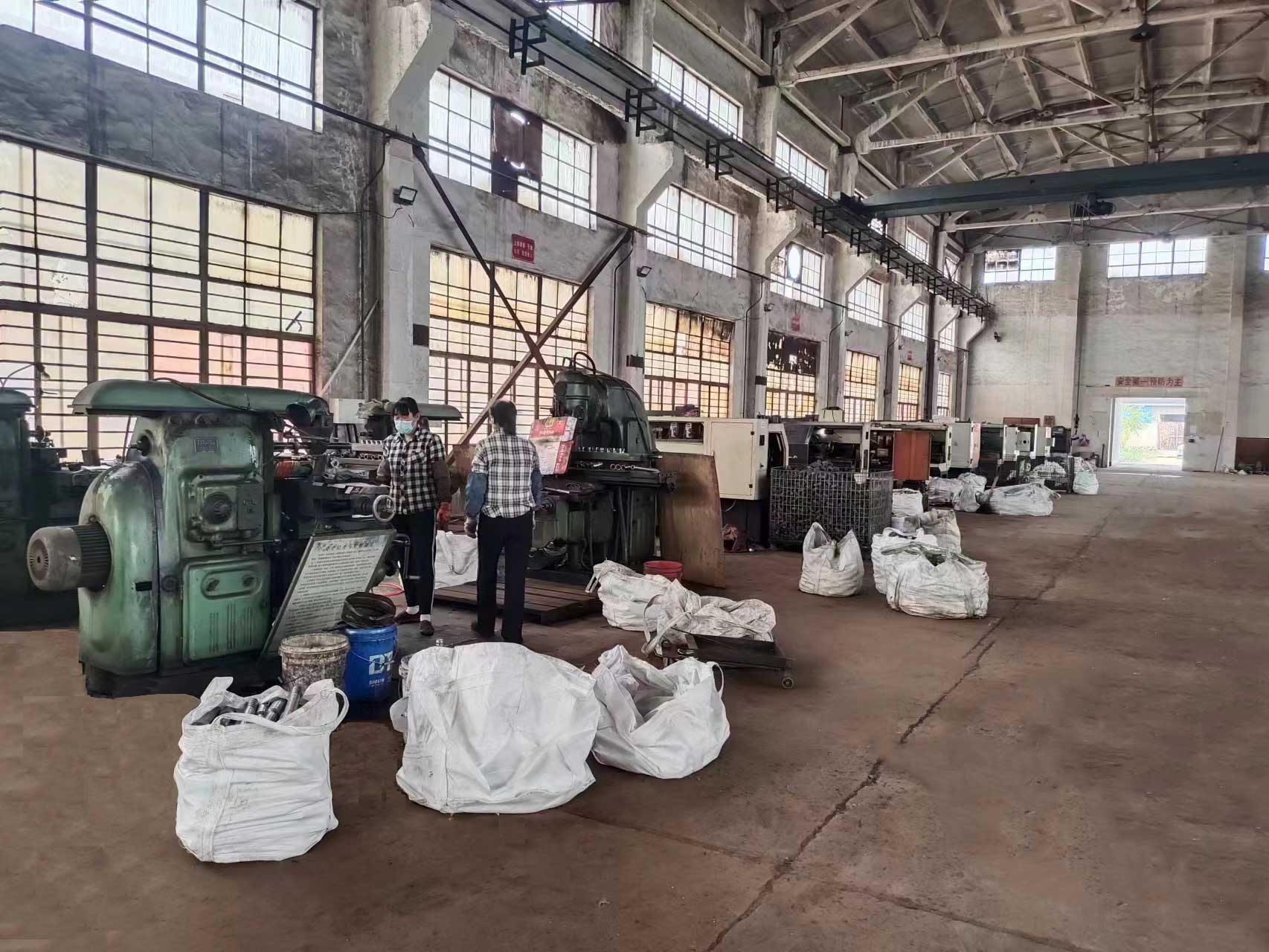
    Shandong Feiteng produces customized blast furnace alloy drill bits, drill rods, coupling sleeves, and shank adapters. We review dimensions, materials, and application details before production, then inspect the finished parts before shipment. Send your drawings and operating data to discuss a suitable configuration.
  • How to Reduce Downtime with Better Taphole Drilling Practices

    How to Reduce Downtime with Better Taphole Drilling Practices

    Taphole drilling is a short operation, but an unexpected tool failure can interrupt a much larger production sequence. Reducing downtime requires more than buying stronger drill bits. It depends on how the complete tool assembly is selected, operated, inspected, and replaced.

    Keep the Drill String Aligned

    Misalignment increases bending stress, vibration, and uneven wear. Check that the drilling machine, shank adapter, rods, coupling sleeves, and bit follow the intended hole path. Replacing a bent rod early is usually less expensive than allowing it to damage the bit, coupling, or machine connection.

    Control Connections Before They Loosen

    Clean threads, correct lubrication, and controlled tightening help maintain stable contact. Inspect connections after drilling and look for heat, polishing, deformation, or difficulty separating components. A connection that requires excessive force to loosen is giving an early warning that should be investigated.

    Stop Drilling When Performance Changes

    An experienced operator can often detect changes in sound, penetration rate, or vibration before a tool fails. Continued drilling with a dull or damaged bit can overheat the carbide, bend the rod, and overload the machine. Define a practical stop condition so the team knows when to inspect rather than push through the problem.

    Use a Simple Wear Record

    • Product identification and installation date.
    • Holes completed and drilling time.
    • Observed hole diameter and penetration change.
    • Condition of carbide buttons and steel body.
    • Thread, sleeve, and adapter condition.
    • Reason for removal and remaining useful condition.

    Plan Spare Parts by Condition, Not Guesswork

    Use wear records to estimate replacement intervals for bits, rods, coupling sleeves, and adapters. Keep critical spare sizes available, but rotate stock so older components are inspected before use. A small inventory of proven parts can prevent a routine wear issue from becoming a long shutdown.

    Standardize the Tool System

    Different bit sizes, thread forms, and connection standards increase the chance of assembly errors. Where possible, standardize the parts used for a given drilling machine and working condition. Shandong Feiteng can supply matching drill bits, rods, coupling sleeves, and adapters so replacement components follow one coordinated specification.

    Reliability Comes from Small Improvements

    Reducing downtime does not always require a new drilling system. Better alignment, earlier inspection, cleaner threads, and planned replacement can produce significant improvement. Review failures by cause and adjust one variable at a time to build a reliable, site-specific practice.

  • Quality Control Checklist for Blast Furnace Drill Bits and Rods

    Quality Control Checklist for Blast Furnace Drill Bits and Rods

    Quality control for blast furnace drilling tools should follow the product from raw material through final packing. A finished part can look acceptable while hiding a material defect, incorrect heat treatment, or dimensional variation that will cause rapid failure. A structured inspection plan reduces that risk and makes quality results traceable.

    1. Incoming Material Inspection

    Verify steel grade, surface condition, and material documentation before production. Carbide tips should be checked for grade, dimensions, and visible defects. Material certificates and batch records help trace any issue that appears later.

    2. In-Process Dimensional Checks

    Measure critical diameters, lengths, shoulders, and machining features against the approved drawing. Confirm that tolerances remain stable throughout the batch. For drill rods, check straightness and end-face condition before thread machining.

    3. Thread and Connection Inspection

    • Thread profile and pitch must match the specification.
    • No burrs, cracks, galling, or deep handling marks are allowed.
    • Mating rods, sleeves, or adapters should assemble smoothly.
    • Shoulders must provide correct contact.
    • Connections should remain stable under the intended tightening method.

    4. Carbide Tip Inspection

    Inspect button placement, protrusion, spacing, and bond quality. Look for cracks, chips, missing tips, or uneven seating. The cutting face should match the approved layout and provide the intended gauge and flushing clearance.

    5. Hardness and Performance Sampling

    Depending on the product, check hardness at defined locations and review heat-treatment records. Wear and impact testing can be performed on representative samples when a new material or design is introduced. Test results should be compared with the approved baseline rather than treated as isolated numbers.

    6. Final Inspection and Packing

    Before packing, confirm product identity, quantity, dimensions, surface condition, and thread protection. Use packaging suitable for the shipping method and clearly label the product, size, and batch. Rust-preventive treatment may be required for long transit or humid storage.

    Make Inspection a Feedback Loop

    Quality control is most useful when service data returns to the factory. Record customer observations such as thread loosening, rapid carbide wear, bending, or short service life. That information can guide improvements in material, machining, heat treatment, or product selection. Shandong Feiteng welcomes detailed technical feedback so future batches can be matched more closely to actual furnace conditions.

  • Heat Treatment and Precision Machining in Blast Furnace Tool Manufacturing

    Heat Treatment and Precision Machining in Blast Furnace Tool Manufacturing

    Blast furnace drill bits and rods look straightforward, but their performance depends on a sequence of manufacturing steps that are difficult to see from the finished product. Heat treatment and precision machining are especially important because they determine whether the tool can carry impact, maintain alignment, and preserve a reliable connection in service.

    Heat Treatment Develops the Steel Structure

    Heat treatment is used to develop the required combination of strength and toughness in alloy steel. Temperature, holding time, and cooling must be controlled for the selected material and part geometry. If the process is not stable, the result can be a tool that is too soft to resist deformation or too brittle to absorb impact.

    Thread Accuracy Protects the Connection

    Threads must engage smoothly and provide correct shoulder contact. Even a small dimensional error can create a poor fit that loosens under vibration. Precision machining supports consistent pitch, profile, and alignment across rods, coupling sleeves, and shank adapters. Each connection should be checked as part of the complete assembly.

    Machining Maintains Straightness and Balance

    Straightness is essential for energy transfer. A bent rod or off-center bit increases vibration, wears the taphole unevenly, and adds stress to the machine and connection components. Dimensional control during machining helps ensure that the finished tool matches the drawing and fits the expected equipment without modification.

    Key Production Checkpoints

    • Verify incoming steel and carbide material before production.
    • Control heat-treatment temperature and time for each batch.
    • Inspect critical diameters and lengths after machining.
    • Check thread fit with gauges or mating components.
    • Confirm carbide placement, protrusion, and bond quality.
    • Perform final surface and packing inspection.

    Consistency Is the Goal

    One good sample is not enough for industrial use. The value of manufacturing control is consistency across production batches. A repeatable process helps customers plan maintenance, standardize spare parts, and avoid the cost of adapting each shipment to the equipment.

    Manufacturing Support for Custom Tools

    Shandong Feiteng produces standard and customized blast furnace drill bits, drill rods, coupling sleeves, and shank adapters. We review dimensions, material requirements, and working conditions before production, then inspect the finished parts before shipment. This process-oriented approach helps deliver tools that fit the intended application rather than only matching an approximate size.

  • Why Material Selection Matters for High-Temperature Drill Rods

    Why Material Selection Matters for High-Temperature Drill Rods

    Blast furnace drilling tools operate under a combination of heat, impact, friction, and bending load. The material specification therefore has a direct effect on reliability. A high-strength steel body and a wear-resistant carbide cutting element are essential, but each material must be matched to the way the complete tool will work in service.

    High-Strength Alloy Steel for the Rod Body

    The rod body must carry tensile load, transmit impact energy, and resist bending without becoming brittle. Alloy steel provides a useful balance of strength and toughness when the grade and heat treatment are controlled. Material quality also affects thread durability, because damaged threads can make an otherwise sound rod unusable.

    Tungsten Carbide for the Cutting Face

    YG8 tungsten carbide is commonly used in hard-material cutting applications because it combines high hardness with useful impact resistance. The optimum grade depends on the taphole material. More abrasive conditions may require greater wear resistance, while uneven material and impact may require a grade that resists chipping.

    Heat Affects the Whole Tool

    High temperature can reduce strength, accelerate oxidation, and change the way materials respond to load. The steel body should maintain useful mechanical properties during the drilling cycle, while the carbide must resist thermal cycling at the cutting edge. Stable machine operation and effective dust removal help limit the time each component spends at peak temperature.

    Material Selection Needs Real Operating Data

    • Taphole diameter, depth, and drilling angle.
    • Typical refractory hardness and the presence of slag or iron skull.
    • Drilling-machine impact energy and rotation speed.
    • Expected number of holes per shift.
    • Observed failure mode: bending, thread damage, carbide loss, or abrasive wear.

    Do Not Use One Material Specification for Every Site

    A design that performs well in one furnace may not be optimal in another. Differences in taphole practice can change the balance between wear and impact. Custom material selection allows the supplier to adjust steel grade, carbide grade, tip layout, and dimensions for the actual working condition.

    A Balanced Tool Lasts Longer

    Reliability comes from the full system: strong steel, durable carbide, accurate machining, compatible connections, and correct operation. Shandong Feiteng manufactures custom blast furnace drill bits and drill rods using selected raw materials and controlled production processes. Send your operating parameters and failure history when requesting a material recommendation.

  • A Practical Guide to Blast Furnace Drill Rod Selection

    A Practical Guide to Blast Furnace Drill Rod Selection

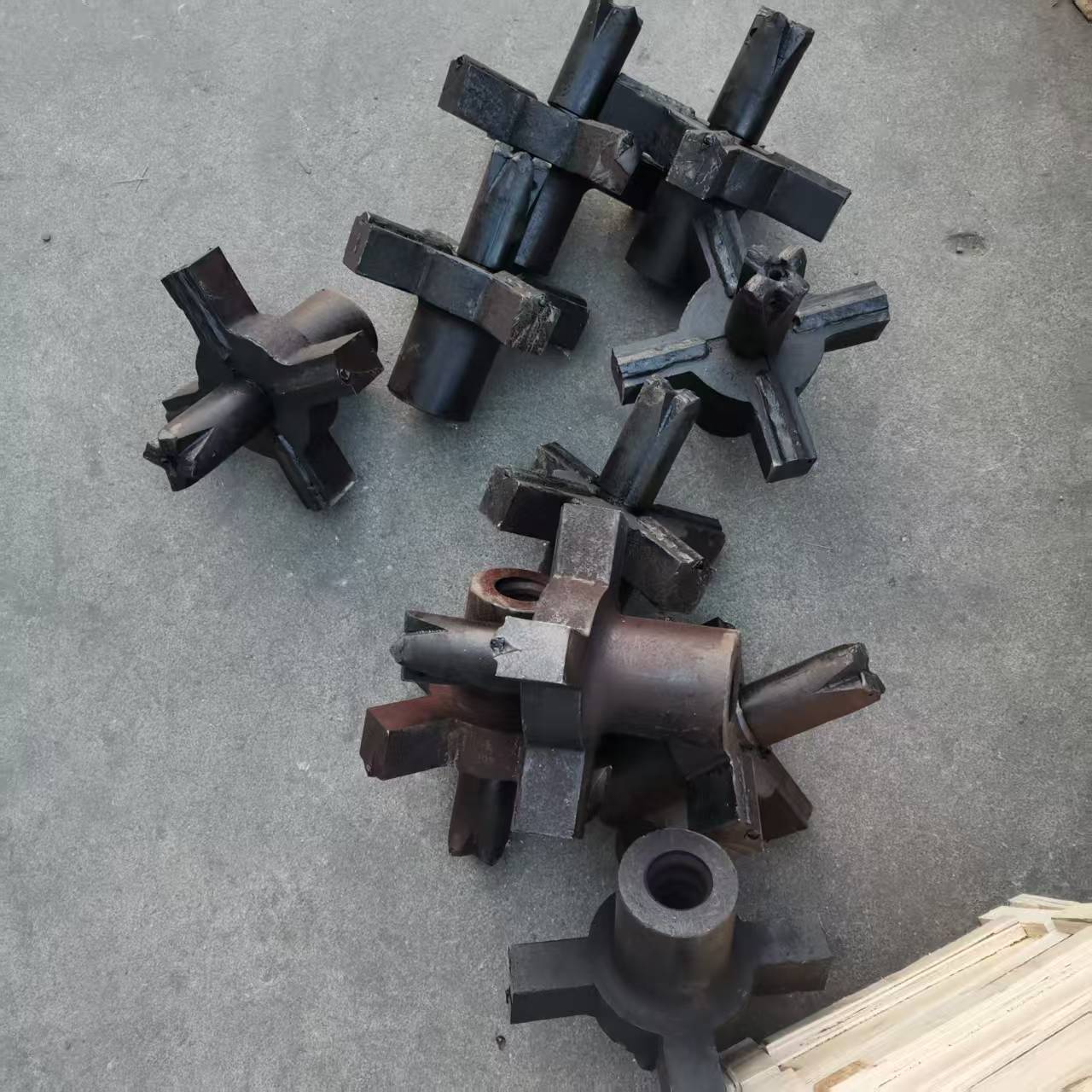
    A blast furnace drill rod connects the drilling machine to the drill bit and transmits rotation, feed force, and impact through a hot and abrasive working environment. A rod that is undersized, poorly aligned, or incompatible with the coupling system can reduce drilling speed and increase the risk of thread damage or breakage. Selecting the correct rod is therefore an important part of a stable taphole drilling program.

    Confirm Diameter and Length Requirements

    Drill rod diameter and length must match the machine, taphole depth, drilling angle, and required bit size. Common rod diameters range from 32 mm to 76 mm, while special lengths can be produced for non-standard equipment. The selected rod should provide enough stiffness to resist bending without making the drilling assembly unnecessarily heavy or difficult to handle.

    Match the Thread and Coupling System

    Thread form, pitch, shoulder, and coupling-sleeve dimensions must be checked together. A rod that threads onto a coupling but does not seat correctly may loosen under vibration. Loose connections can damage the thread, reduce energy transfer, and create irregular loading on the drill bit. Before ordering, confirm the complete connection chain: shank adapter, rod, coupling sleeve, and bit.

    Choose Steel for Strength and Toughness

    High-strength alloy steel is used to provide tensile strength, toughness, and resistance to bending under heavy impact. Material selection should consider the drilling machine’s energy output and the severity of the taphole. In demanding applications, a stronger steel grade may improve reliability, but the heat treatment and machining quality remain equally important.

    Inspect These Features Before Installation

    • Thread cleanliness, profile, and damage-free appearance.
    • Straightness over the full rod length.
    • Correct shoulder contact and coupling fit.
    • Clear flushing passages where applicable.
    • Consistent diameter and surface finish.
    • No cracks, deep marks, or deformation at the ends.

    Operating Practices That Extend Rod Life

    Keep rods aligned with the drilling direction, tighten connections to the recommended level, and stop operation if vibration increases suddenly. Clean and lubricate threads according to site practice. Store rods on supports rather than on bare ground, and separate damaged rods from service-ready stock to avoid accidental installation.

    Use the Complete Tool Set as a System

    The best rod cannot compensate for a mismatched bit, worn coupling, or incorrect machine setting. Shandong Feiteng supplies blast furnace drill rods, alloy drill bits, coupling sleeves, and shank adapters as a compatible tool system. Provide your dimensions, thread details, and operating conditions so the complete assembly can be reviewed before production.

  • Functions and Usage of Carbide Drill Bits​

    Functions and Usage of Carbide Drill Bits​


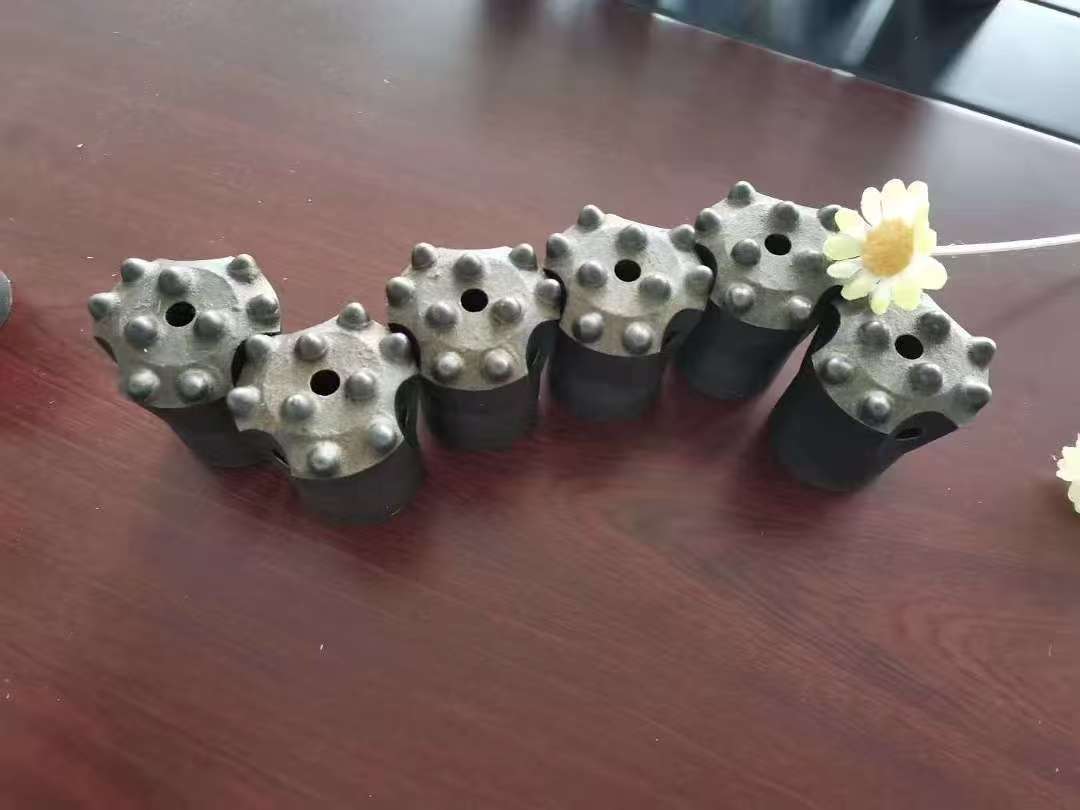
    Carbide drill bits are core drilling tools for blast furnace tapping and metallurgical drilling operations. With ultra-high hardness, excellent wear resistance and high temperature resistance, they are widely used for opening, reaming and hole cleaning of blast furnace tapholes in steel plants. Compared with ordinary steel drill bits, carbide drill bits feature stronger impact resistance. Under harsh working conditions with high temperature, high hardness furnace materials and strong impact force, they are not easy to break or wear. They can effectively reduce drilling resistance, improve blast furnace tapping efficiency, and greatly lower the cost caused by frequent bit replacement and production shutdown maintenance.​
    In daily blast furnace production, carbide drill bits are mainly matched with blast furnace tapping machines and hydraulic drilling rigs. Combined with special blast furnace drill rods and couplings, they form a complete drilling system to quickly drill taphole clay and furnace lining materials. They are suitable for new blast furnace hole opening, daily taphole dredging, old hole diameter expansion and repair, as well as furnace residue cleaning. The bits maintain stable drilling speed and long service life, ensuring continuous, stable and safe production of steel mills.​
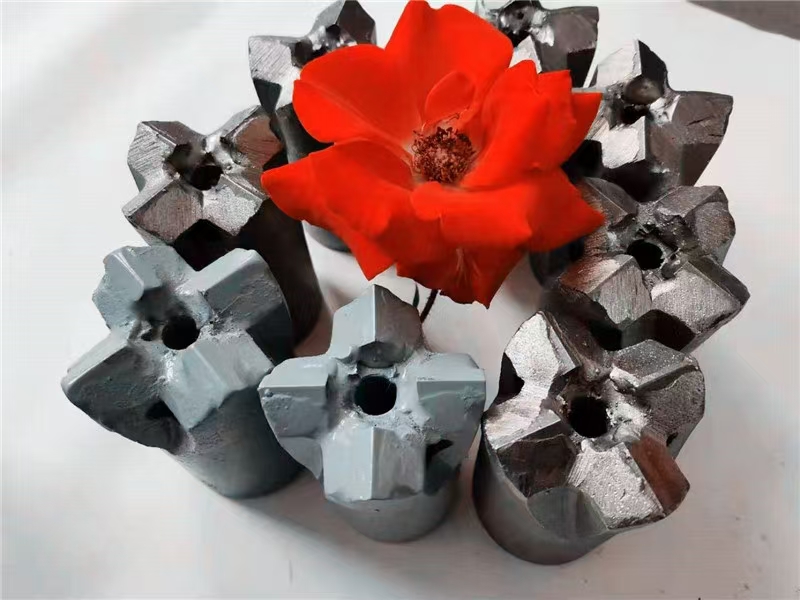
    Correct usage can maximize the performance and service life of carbide drill bits. First, select the appropriate tooth type according to the hardness of the furnace taphole and taphole clay. 3-wing and 4-wing carbide drill bits are suitable for most metallurgical blast furnaces. Second, ensure firm connection and accurate coaxiality between the drill bit and drill rod during installation to avoid tooth breaking, hole deviation and rod fracture caused by eccentric rotation. Keep uniform feeding speed during drilling, avoid forced pressurization and violent drilling, and ensure ventilation and slag removal to prevent jamming and high-temperature ablation of alloy teeth. Clean residual slag and check tooth wear after operation, and store properly to reduce loss and improve long-term working efficiency.​
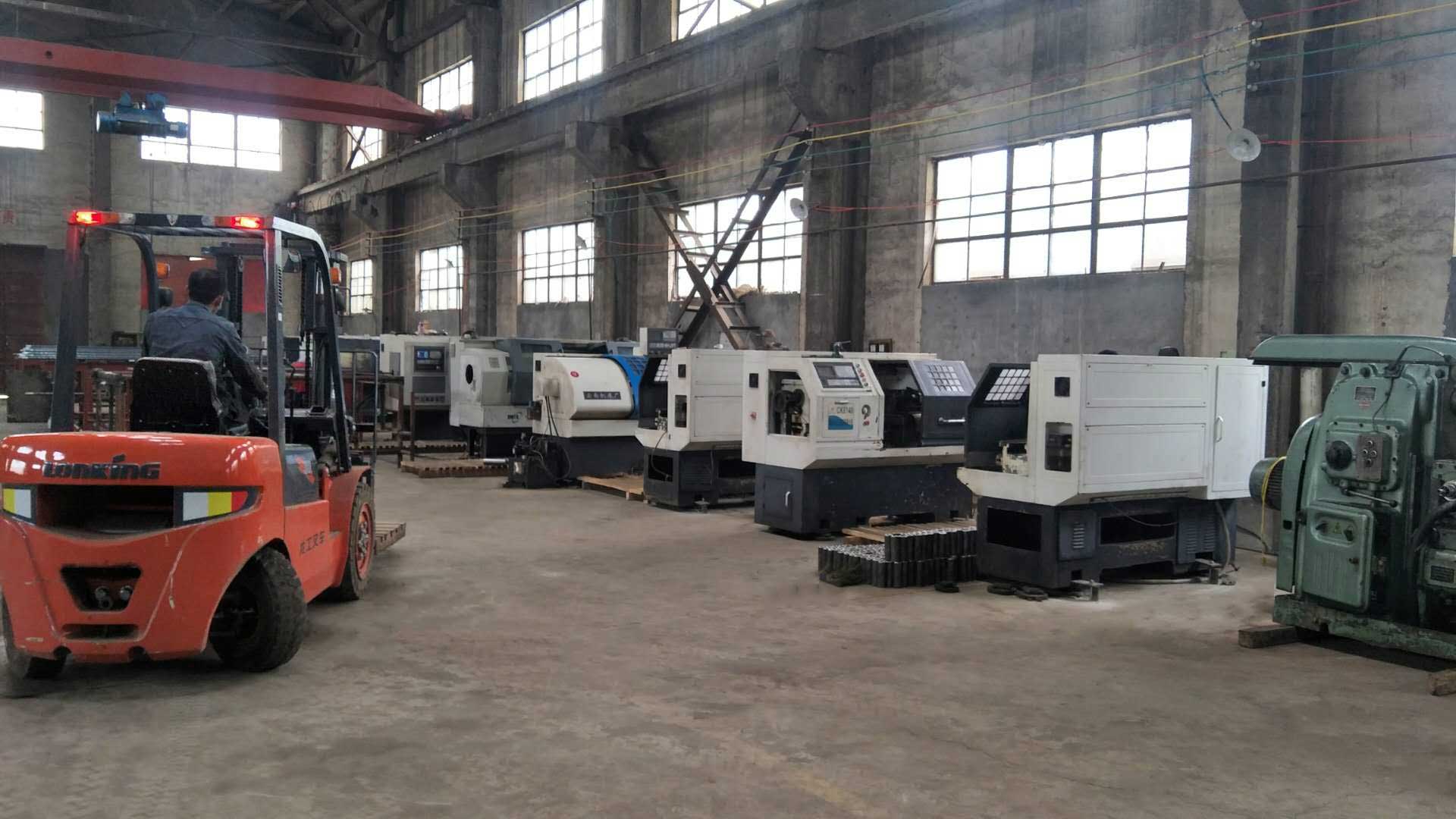
    Our factory’s blast furnace carbide drill bits adopt high-quality tungsten carbide teeth and high-grade alloy steel body, processed by precise forging, heat treatment and CNC finishing. Featuring high temperature resistance, impact resistance and wear resistance, they are compatible with various domestic and imported blast furnace tapping equipment. Custom specifications are available to provide cost-effective overall drilling solutions for metallurgical enterprises at home and abroad.

  • How to Choose the Right Blast Furnace Drill Bit: 3-Button vs 4-Button

    How to Choose the Right Blast Furnace Drill Bit: 3-Button vs 4-Button

    Blast furnace taphole drilling is a demanding process. The drill bit must penetrate hot, hard, and abrasive material while maintaining a stable hole, removing dust efficiently, and protecting the drill rod from unnecessary impact. Choosing between a 3-button and a 4-button carbide drill bit is therefore not simply a matter of buying the largest or hardest product. The right selection depends on the taphole condition, required hole diameter, machine parameters, and the operator’s maintenance practice.

    Start with the Working Conditions

    Before selecting a bit, record the typical taphole depth, target hole diameter, drilling angle, feed pressure, rotation speed, and the condition of the refractory material. Also note whether the operation encounters hard slag, iron skulls, uneven drilling resistance, or frequent bit changes. These details provide a more reliable basis for selection than a general product description.

    When a 3-Button Drill Bit Is Suitable

    A 3-button bit usually offers a more concentrated cutting action. It can be effective where the required hole is relatively small, the drilling machine provides sufficient impact energy, and the operator needs strong penetration in a focused area. A well-matched 3-button design can help maintain drilling speed when the taphole material is uniform and the bit remains properly centered.

    When a 4-Button Drill Bit Offers Advantages

    A 4-button bit distributes cutting forces across a wider face. This can improve stability when drilling larger holes, reduce vibration, and provide more balanced wear during continuous operation. It is often a practical choice for operations that prioritize hole accuracy, smoother drilling, and predictable service life over the fastest possible initial penetration.

    Compare More Than Button Count

    • Carbide grade: The tungsten carbide must match the abrasiveness and impact level of the taphole material.
    • Button layout: Spacing, protrusion, and gauge buttons affect cutting efficiency and hole diameter retention.
    • Steel body: A high-strength body is needed to absorb impact and resist deformation at high temperature.
    • Flushing holes: Correct air or gas passages help remove dust and prevent heat buildup.
    • Shank and thread compatibility: The bit must connect securely to the existing drill rod and coupling system.

    Use a Controlled Test

    When two designs appear suitable, test them under similar conditions. Record holes completed, drilling time, hole diameter, bit wear, rod vibration, and replacement frequency. A bit that drills marginally faster but fails early may cost more than a slightly slower design with a longer, more stable life.

    A Practical Selection Rule

    Choose the 3-button design for focused penetration when the machine and hole size are compatible. Choose the 4-button design when larger holes, greater stability, and balanced wear are the priority. For demanding or variable conditions, request a customized carbide grade and body configuration based on actual operating data.

    Shandong Feiteng Metal Products Co., Ltd. supplies standard and customized blast furnace alloy drill bits together with matching drill rods, coupling sleeves, and shank adapters. Share your taphole dimensions and working parameters for a more precise recommendation.

  • 4-Button Carbide Drill Bit | Powerful Drilling for Ultra-Hard Conditions

    4-Button Carbide Drill Bit | Powerful Drilling for Ultra-Hard Conditions

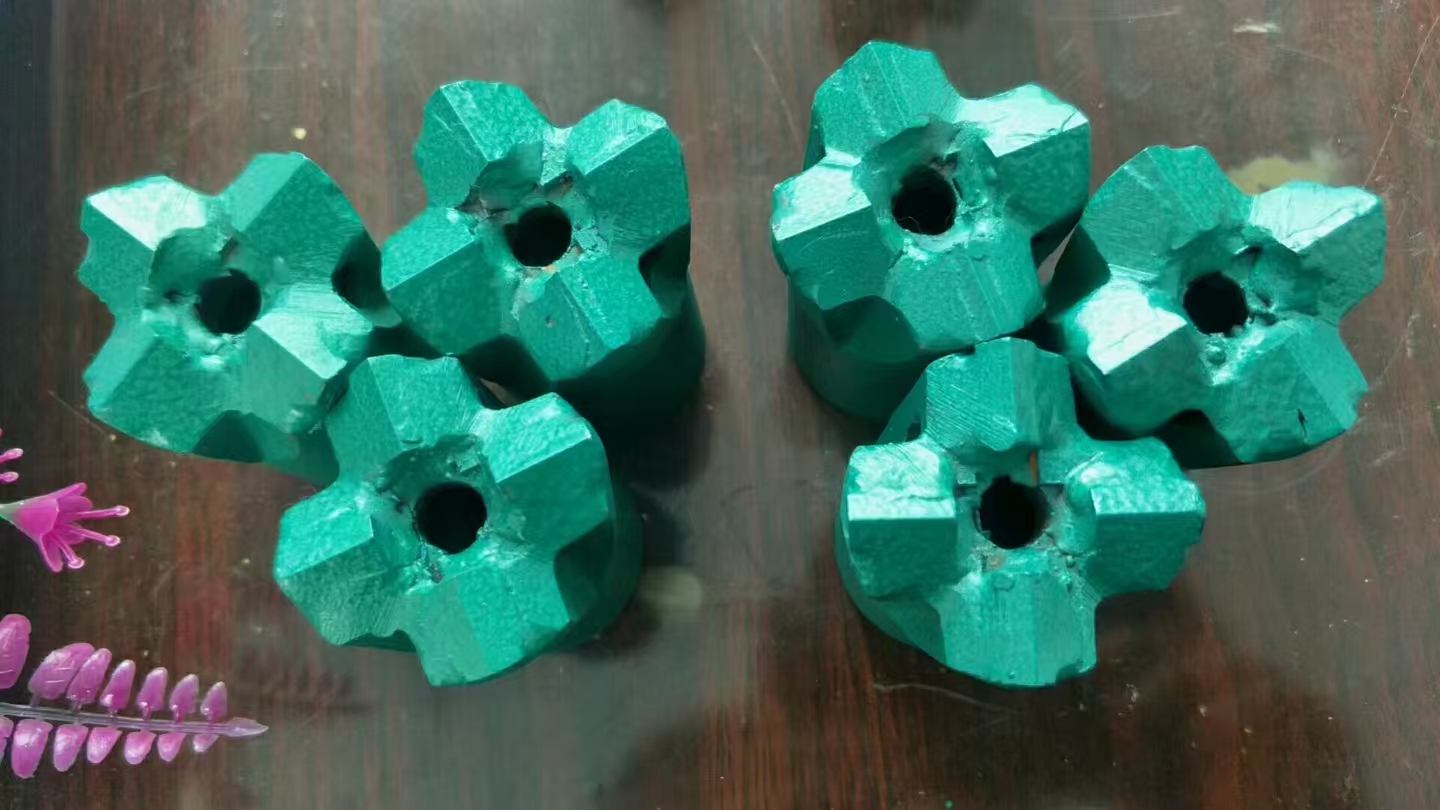
    The 4-button carbide drill bit is the upgraded version of the 3-button bit, specifically designed for ultra-hard and high-intensity drilling operations in blast furnace taphole opening, mine rock drilling and tunnel engineering. Featuring four symmetrically arranged tungsten carbide button teeth, it delivers more balanced force distribution, stronger impact and steadier penetration, making it the go-to tool for extremely hard furnace linings and super-hard rock layers, as well as a cost-effective choice for heavy-duty taphole drilling in metallurgy and mining industries.

    Material Composition

    The bit body is forged from high-quality 45# steel, 40Cr or 42CrMo alloy steel, offering high toughness and excellent resistance to fracture under continuous impact. The four button teeth are made of YG8 tungsten carbide, which features ultra-high hardness, strong wear resistance and high temperature resistance, keeping sharp cutting edges even in extremely hard media. The combination of a high-strength steel body and premium carbide teeth ensures stable performance under heavy-load, high-temperature and strong-impact working conditions.

    Functions and Working Efficiency

    The four-tooth symmetrical design delivers more uniform impact force to the bottom of the hole, providing a larger cutting surface and higher rock-breaking efficiency. It effectively breaks high-temperature furnace mud, coke layers, extremely hard furnace linings and super-hard rock layers, with high drilling straightness, smooth hole forming and low vibration. Compared with the 3-button bit, the 4-tooth structure offers stronger impact and pressure resistance. Under the same working conditions, it achieves faster drilling speed and a longer service life per bit, significantly reducing the overall cost of heavy-duty opening operations.

    Key Advantages

    • Stronger impact force: Even distribution across four teeth reduces load per tooth, delivering more efficient rock breaking and greater ease in hard layers.
    • Impact and pressure resistance: The more robust structure resists tooth chipping, loss and body fracture under ultra-high-strength drilling conditions.
    • Stable drilling: The symmetrical four-tooth design effectively suppresses wobbling, prevents hole deviation and ensures high hole quality.
    • Longer service life: Wear-resistant, high-temperature-resistant carbide teeth combined with a high-strength steel body extend service cycles and reduce replacement frequency.
    • Better cost efficiency: Superior service life and efficiency in heavy-load conditions offer higher long-term value than 3-button bits.

    Suitable Working Conditions

    The 4-button carbide drill bit is ideal for demanding operations that place higher requirements on the tool:

    • Blast furnace taphole opening and opening of extremely hard furnace linings
    • Drilling in super-hard rock layers and high-intensity rock drilling
    • Heavy-duty rock breaking in tunnel and mining projects
    • An upgraded choice for higher drilling efficiency in conventional and medium-hard conditions

    Note: For conventional and medium-hard operations, the 3-button bit is sufficient and more economical; the 4-button bit is better suited for hard layers, heavy loads and applications requiring higher drilling efficiency.

    Application and Customization

    The 4-button carbide drill bit is widely used in heavy-duty scenarios such as blast furnace opening, mine rock drilling and tunnel engineering. We support customized sizes, steel materials and tooth formulas according to customer equipment, bore size and working conditions. All products are strictly inspected before shipment to ensure stable quality and reliable performance.

    Shandong Feiteng Metal Products Co., Ltd. provides reliable drilling tools with stable quality and competitive price. We sincerely welcome global customers for visits, testing and long-term win-win cooperation.

  • 3-Button Carbide Drill Bit | Features, Advantages and Application

    3-Button Carbide Drill Bit | Features, Advantages and Application

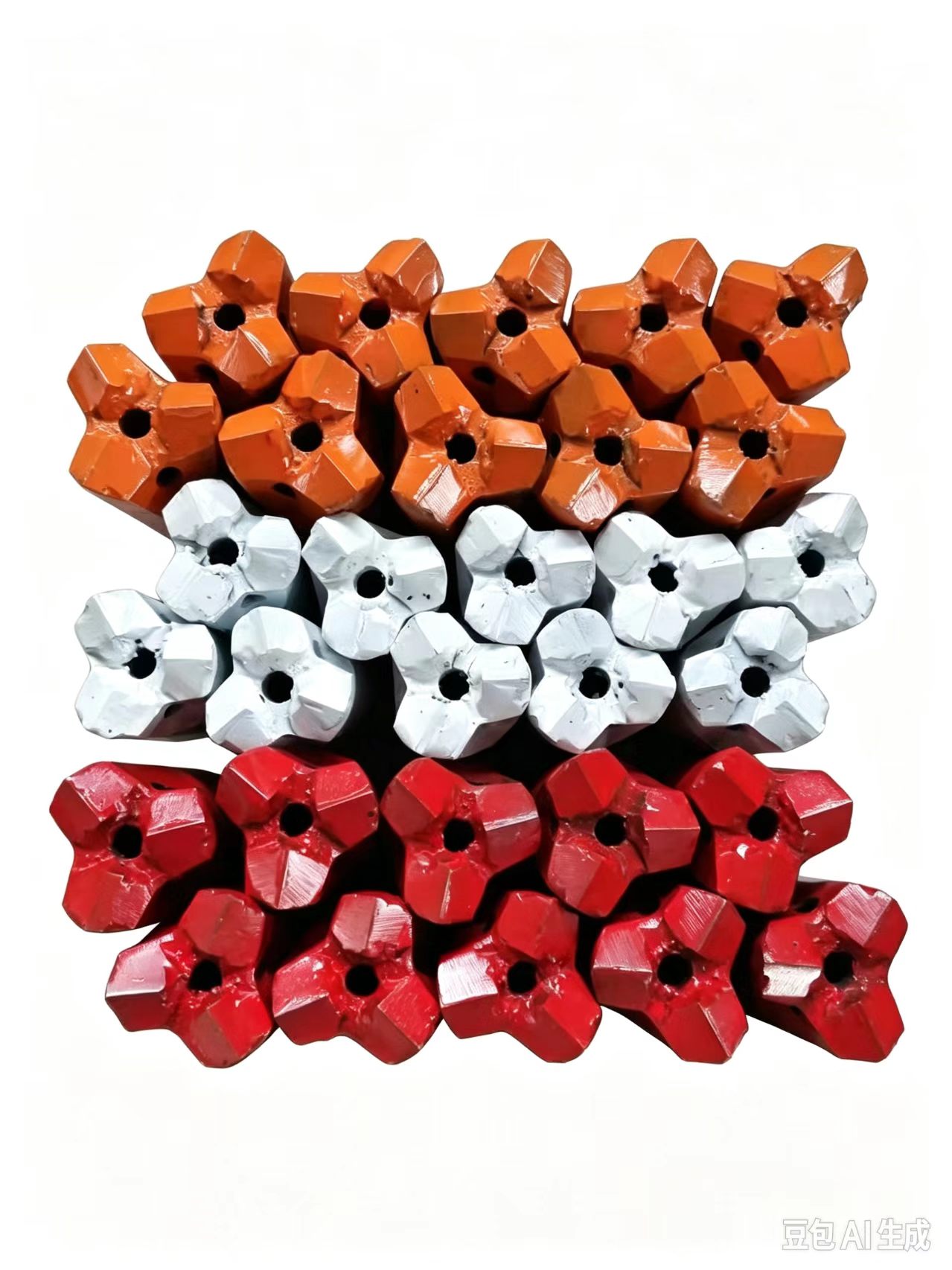
    The 3-button carbide drill bit is one of the most widely used and practical drilling tools for blast furnace taphole opening and rock drilling operations. Designed with three tungsten carbide button teeth, this drill bit balances drilling speed, impact resistance and stable performance, making it the preferred choice for routine taphole drilling in metallurgy and mining industries.

    Material Composition

    Our 3-button drill bits adopt high-quality 45# steel, 40Cr or 42CrMo steel for the bit body, ensuring high toughness and anti-breaking ability. The drill teeth are made of YG8 tungsten carbide, which features ultra-high hardness, strong wear resistance and high temperature resistance. The combination of high-strength steel body and premium carbide guarantees stable performance under harsh working conditions.

    Functions and Working Efficiency

    The three-tooth symmetrical structure provides uniform impact force and stable cutting performance during taphole drilling. It effectively breaks high-temperature furnace mud, coke layers and hard rock layers. Compared with ordinary drill bits, the 3-button bit offers more stable drilling straightness, lower vibration and smoother hole forming, greatly improving the overall working efficiency of blast furnace opening operations.

    Advantages

    • High stability: Three-point symmetrical design reduces shaking during drilling, effectively preventing hole deviation.
    • Strong durability: YG8 carbide teeth resist high temperature and friction, reducing tooth loss and wear.
    • Good toughness: Alloy steel body is not easy to crack or break under continuous impact.
    • Cost-effective: Longer service life reduces replacement frequency and lowers overall production costs.
    • Wide adaptability: Suitable for most conventional blast furnace taphole drilling and soft-medium hard rock drilling.

    Disadvantages (Real Industry Characteristics)

    Although 3-button drill bits have comprehensive performance, they still have certain limitations in extreme working conditions. Compared with 4-button drill bits, the 3-bit structure has slightly weaker impact resistance and pressure resistance. When facing extremely hard furnace layers, super hard rock or ultra-high strength drilling environments, its drilling speed and service life will be slightly lower than four-button bits. Therefore, it is more suitable for conventional and medium-hard working conditions rather than ultra-hard heavy-duty drilling.

    Application and Customization

    3-button carbide drill bits are widely used for blast furnace taphole opening, mine rock drilling and tunnel engineering. We support customized sizes, steel materials and tooth formulas according to customer equipment and working conditions. All products are strictly inspected to ensure stable quality and high cost performance.

    Shandong Feiteng Metal Products Co., Ltd. provides reliable drilling tools with stable quality and competitive price. We sincerely welcome global customers for visits, testing and long-term win-win cooperation.