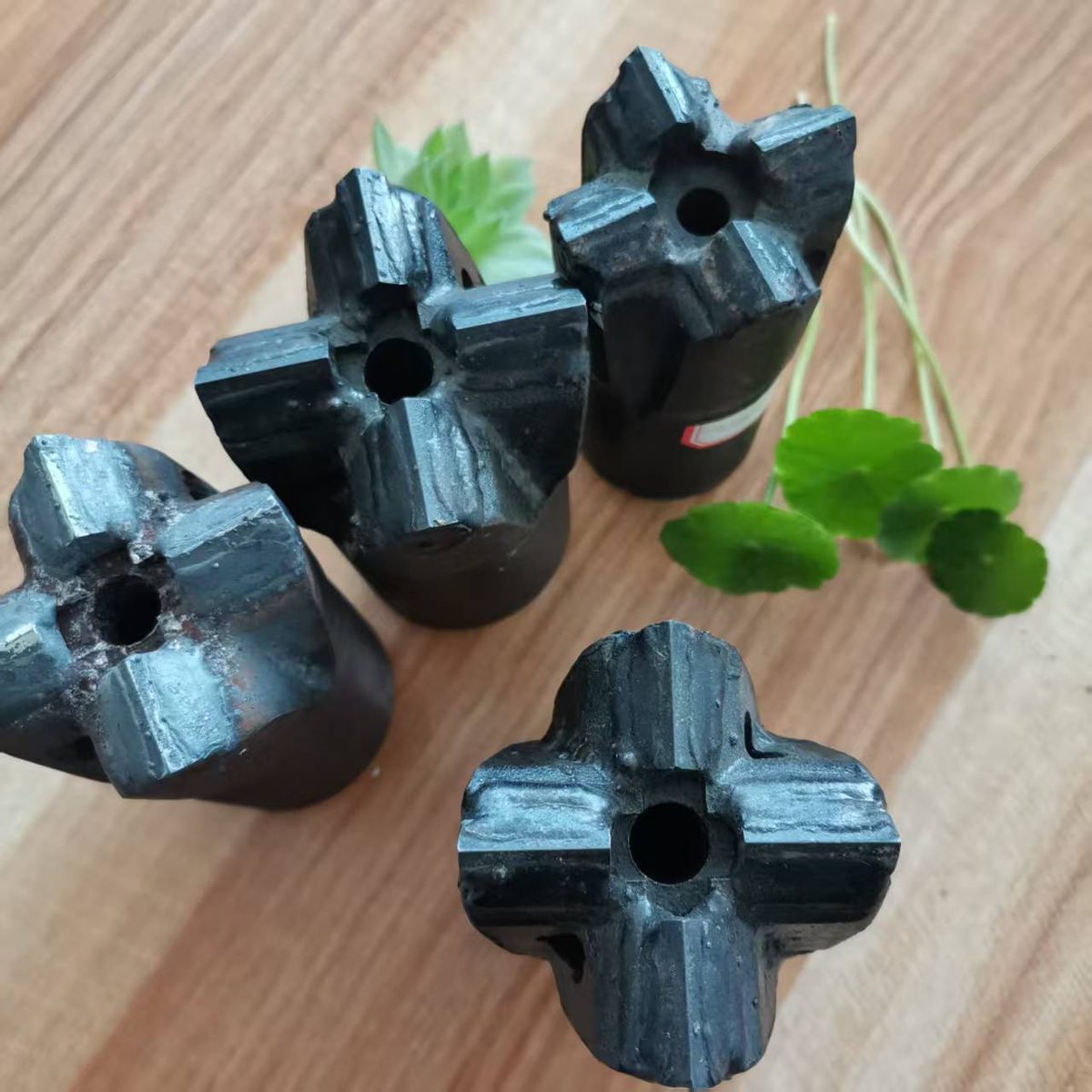
Ask where steel growth markets are in 2026 and the answer has changed hands. India produced 164.9 million tonnes of crude steel in 2025, up 10.4 percent, and is now the second largest producer in the world. Vietnam grew 12.2 percent to 24.7 million tonnes. Turkiye added 3.3 percent to reach 38.1 million tonnes. In the same year, Germany fell 8.6 percent and Japan 4.0 percent. For anyone selling taphole drilling tools, that is not a curiosity – it is a map of where the next tap holes are being built.
What drives capacity in the growth markets
Three forces are at work, and all three consume blast furnace consumables.
- Domestic construction and infrastructure. India and Vietnam are building roads, ports and housing faster than their existing mills can supply.
- Import substitution. Steel that used to arrive as finished product is increasingly made locally, which means new integrated plants, not rolling mills.
- Export ambition. New mills in South East Asia and the Middle East are designed with export in mind, often with Chinese engineering, Chinese equipment and Chinese operating practice.
A new integrated plant is a decade of consumable demand. Each blast furnace brings two to four tapholes, drilled several times a day, for a campaign that lasts 15 years or more before the first reline.
Why new plants buy differently
The procurement habits of a greenfield mill are not the habits of a 60 year old European works. New plants tend to:
- Specify by drawing and standard, because the equipment package came with documents, not with a parts room full of legacy spares.
- Buy whole tool kits – bits, rods, adapters and connectors together – so that responsibility for fit sits with one supplier.
- Care about lead time as much as price, because commissioning schedules are contractual.
- Prefer a partner who can scale, from a trial order to a full year of consumption without changing tooling or paperwork.
That is a different profile from a mature plant that has been buying the same part number for two decades, and it is why the custom bits and rods route matters more in these markets than in Europe.
Where the mature markets still pay
Shrinking tonnage does not mean no business. European, Japanese and North American plants still run some of the largest blast furnaces in the world, and they buy on the opposite logic: long campaigns, tight maintenance windows and a strong preference for tools that reduce downtime rather than shave unit cost. Our notes on reducing downtime in taphole drilling describe what those buyers actually ask for.
What it means for a supplier and a buyer
If you sell drilling tools, the growth markets reward a supplier with drawings, English speaking technical contact and flexible order quantities. If you buy drilling tools in a growth market, the risk is the mirror image: a fast growing plant can be talked into whichever tool is available, rather than the one its furnace needs. Start with the thread, diameter and length matching guide before you compare prices.
Frequently asked questions
Which country added the most steel capacity in 2025?
India, by a clear margin, with 15.5 million tonnes of additional output year on year. Vietnam grew fastest in percentage terms.
Do new plants need different taphole tools?
They need the same families – bits, rods, adapters – but specified to the equipment package they were built with, which is often R32 based.
Building a supplier list for a new plant or a new export market? Send us the taphole diameter, thread and drilling machine type, and we will come back with a tool kit and the drawings behind it.