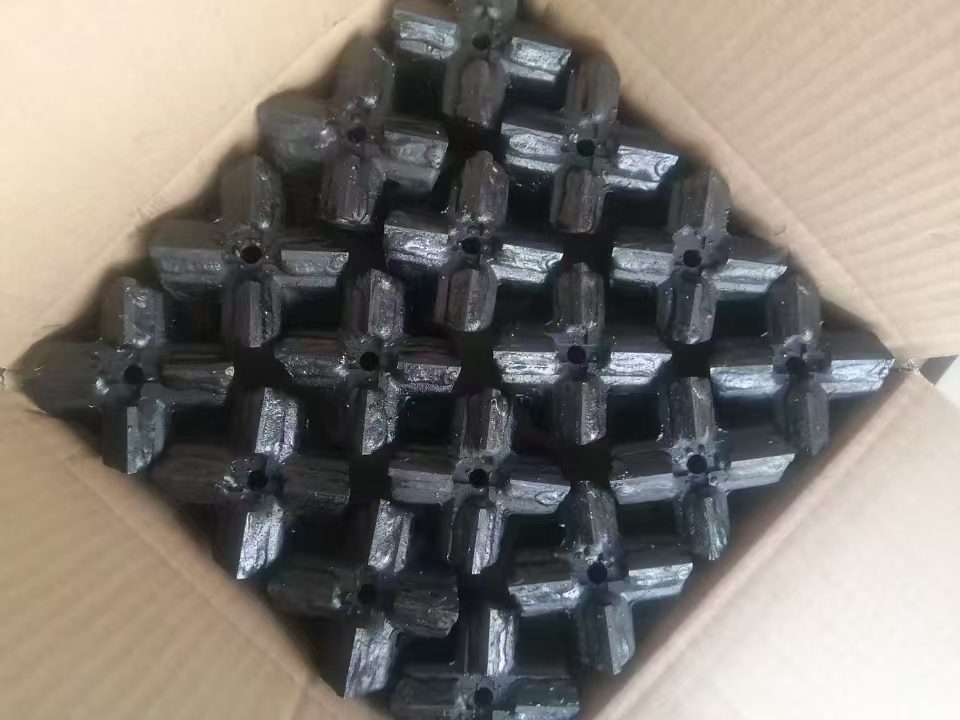
A blast furnace reline is the largest maintenance event in ironmaking, and 2026 is turning into a busy year for them. U.S. Steel approved a 350 million dollar relining of blast furnace No. 14 at Gary Works, alongside a further 200 million dollars for the hot strip mill and steel shop, and restarted an idled furnace at Granite City to meet demand. Those decisions carry a message for anyone selling taphole drilling tools: the blast furnace is not being retired, it is being rebuilt for another campaign.
What a reline actually replaces
A reline is not a repair. The furnace is cooled down, the burden is removed, and the refractory lining from the hearth upward is replaced. In the hearth and around the tapholes, the work is at its most precise:
- Taphole assemblies are rebuilt, including the taphole sleeves, clay gun seating and the cooling around the iron notch.
- Hearth refractories are relaid, changing the drilling resistance your bits will meet for years.
- Cast house equipment – drills, clay guns, runners – is usually overhauled or replaced at the same time.
- Drilling tools are re-specified against the new lining, because a fresh hearth drills differently from a worn one.
Why reline projects pull consumable demand forward
Taphole rods and bits are usually bought as a steady monthly flow. A reline breaks that pattern twice. First, the commissioning team needs tools weeks before the first cast, because the drilling procedure is tested and refined during blow-in. Second, the first months after blow-in are unusually demanding: the taphole is new, the clay behaves differently, and operators tend to drill harder and more often than the steady state requires. This is when a plant discovers whether its standard bit geometry suits the rebuilt hearth – and when a supplier that can deliver a modified drawing in two weeks is worth more than one that quotes five percent less.
The technical differences are covered in more detail in our guide to how cross type drill bits work through taphole clay and lining, and in the drill rod selection guide for plants that are re-specifying after a rebuild.
Reline economics favour life extension over replacement
The reason relines are back is arithmetic. Replacing a blast furnace with a direct reduced iron and electric arc furnace route is a multi billion dollar project measured in years – Stegra’s plant in northern Sweden, at around 6.5 billion euros and 2.5 million tonnes of capacity, is the reference case. A reline is a fraction of that and buys another campaign. When capital is scarce and carbon policy is uncertain, life extension wins, and life extension keeps tap holes in service.
What procurement should prepare now
- Re-specify the tools with the new lining in mind. Diameter, tip geometry and rod stiffness should match the rebuilt hearth, not last campaign’s spare parts list.
- Build a commissioning stock. Put aside enough rods and bits for six to eight weeks of above-normal consumption.
- Fix the drilling procedure in writing. Alignment, feed rate and breakthrough practice matter most on a fresh lining – see our standard operating procedure for taphole drilling.
- Agree spares and lead times in the contract. A reline schedule tolerates no missing connector.
Frequently asked questions
Do taphole tools change after a reline?
Often the diameter stays the same while the tip geometry and rod grade change, because a new hearth is denser and less forgiving. Measure first, then order.
How long does a relined furnace run?
A well executed reline buys a full campaign – commonly 15 to 20 years of service between major rebuilds.
If a reline or a hearth repair is on your calendar, the best moment to sort out consumables is months before the blow-in. Send us the new taphole drawing and the clay specification and we will match rods, adapters and bits to it.