The ramp up of Simandou iron ore in Guinea is the largest addition to seaborne supply in a generation, and it arrives at an awkward moment for anyone who expected ironmaking to fade. High grade ore with low alumina and low phosphorus is exactly what a blast furnace wants: more iron units per tonne charged, lower slag volume, lower coke rate and higher productivity. The consequence for the cast house is straightforward. A furnace running better ore runs hotter and faster, and a hotter, faster furnace drills more tap holes per day.
What better ore does to a furnace
- Higher hot metal output. Productivity gains show up as more tonnes per day from the same hearth – and more casts.
- Lower slag rate. Less slag to handle per tonne of iron, which changes tapping rhythm.
- Steadier operation. Fewer burden related disturbances, which means the cast schedule can be run harder.
- Different taphole behaviour. Cleaner iron and less slag interaction at the taphole can change how clay sets and how the hole opens.
Each of these moves consumable demand in the same direction. When a furnace is asked for more production, the taphole is asked to open more often, and the tools receive more thermal cycles in less time.
High grade ore is not only for blast furnaces
The same ore feeds the direct reduction route, which also needs pellets and lump material, and which is being built out in Europe, the Middle East and Australia. Iron ore supply and ironmaking capacity are being planned together at a scale not seen for decades: new mines in Guinea, direct reduction plants in Oman and Sweden, and reline projects at existing integrated works. All of it is ironmaking. Some of it taps through clay, some of it does not – but the industry that drills tapholes is not shrinking in the medium term, it is being re-equipped.
What a plant should do about higher cast rates
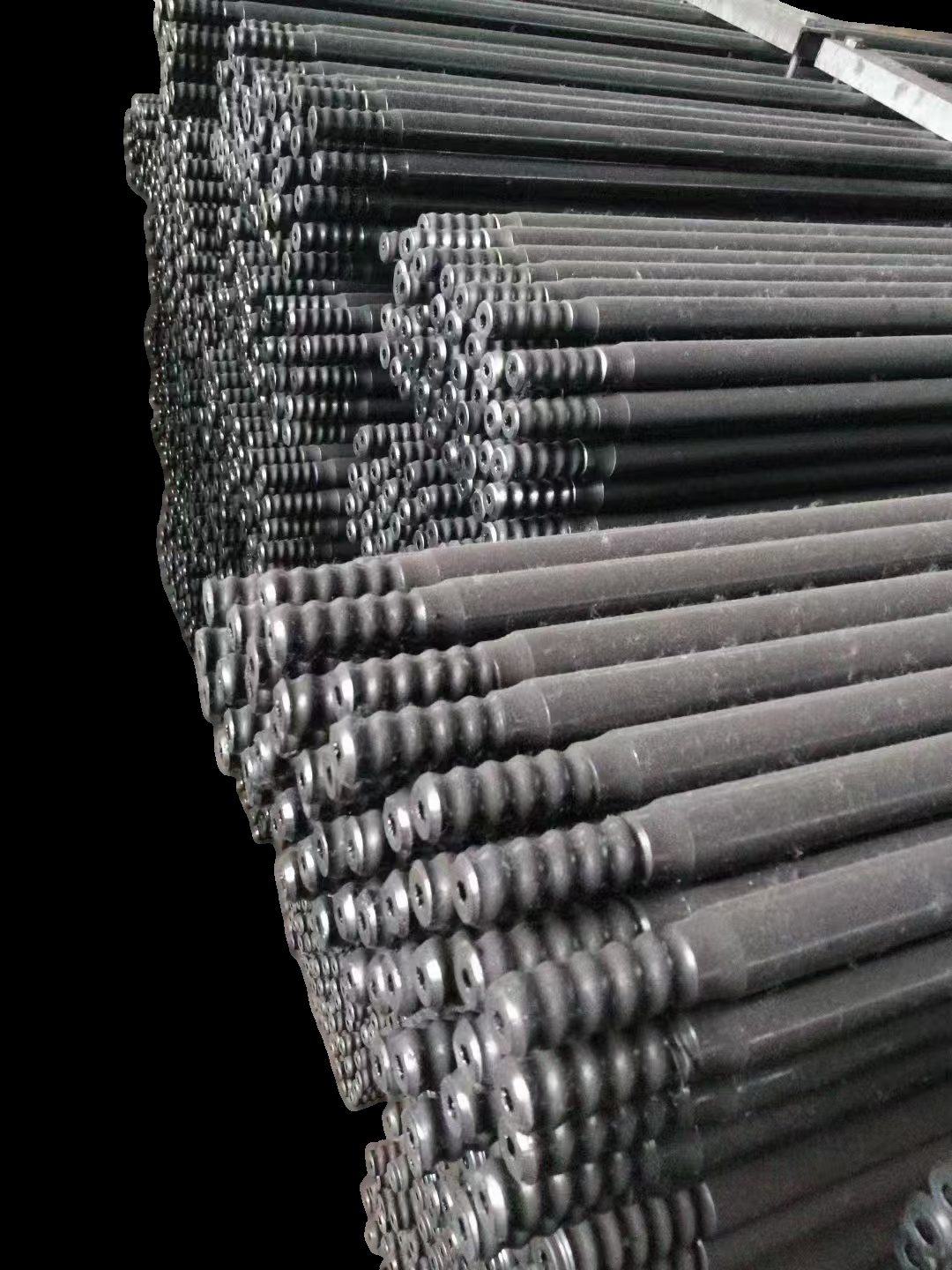
- Revisit rod grade. More cycles per shift means heat accumulates. Our notes on material selection for high temperature drill rods exist for exactly this condition.
- Check depth control. Faster drilling makes it easier to overshoot. Depth discipline protects the hearth – see the drilling procedure.
- Raise stock levels with the cast schedule. If casts rise from 10 to 12 a day, tool consumption rises by roughly the same proportion. Running out is not a saving.
- Look at bit geometry for the new clay behaviour. A hole that opens differently is a signal to re-check the cutting geometry, not to drill harder.
If a productivity programme is on your agenda, the tools are a small part of the cost and a large part of the reliability. The wider market picture is in our overview of the market prospects for blast furnace taphole drilling tools.
The takeaway for the cast house
Higher productivity is welcome news for a steel plant and a demanding one for its consumables. Expect to revisit rod grade, bit geometry and depth control within a few months of a major ore change, and expect consumption to move with the cast rate rather than with annual tonnage. None of that requires new equipment. It requires a supplier who can build the geometry the furnace now wants, and a purchasing plan that raises stock with the schedule instead of reacting to the first shortage.
Frequently asked questions
Does high grade iron ore reduce the number of blast furnaces?
Not directly. It raises productivity per furnace, which is one reason plants prefer relining existing furnaces to building new ones.
Will Simandou ore change taphole tool specifications?
It can change drilling behaviour through hotter, cleaner iron and a different slag regime. Expect to revisit bit geometry and rod grade after the transition, not before.
Raising furnace productivity or switching ore sources? Send us the change you are making and a description of the taphole, and we will recommend the tool set that fits the new operating point.