Two steel plants with identical furnaces can have completely different drilling experiences, and the reason is usually the taphole clay. Clay is the material that seals the iron notch between casts, and it is also the first thing the drill bit meets. Its composition, its temperature and its cure time set the resistance the tool has to cut through, and resistance is what determines whether a bit lasts ten holes or forty.
Clay is not one material
Taphole clay is a designed refractory body, not a filler. The families differ in binder, water content and behaviour under heat:
- Water based clay relies on water for workability and sets as the water leaves. It tends to be easier to drill and sensitive to how long it has cured.
- Tar and pitch bonded clay develops strength through carbonisation. It can be noticeably harder at the taphole, with a tougher skin where it meets hot metal.
- Resin and advanced bonded mixes are formulated for specific furnace conditions – deep tapholes, aggressive slag regimes, long cast sequences.
Add temperature and time and the same clay can feel like two different materials. A hole drilled too early is often soft and gummy; the same hole drilled after full cure can be hard and brittle. Operators feel this as a change in feed pressure, and it is the reason a drilling procedure should define both the sequence and the timing – as set out in our standard operating procedure for taphole drilling.
How clay hardness drives bit geometry
Bit design follows from what the bit has to cut:
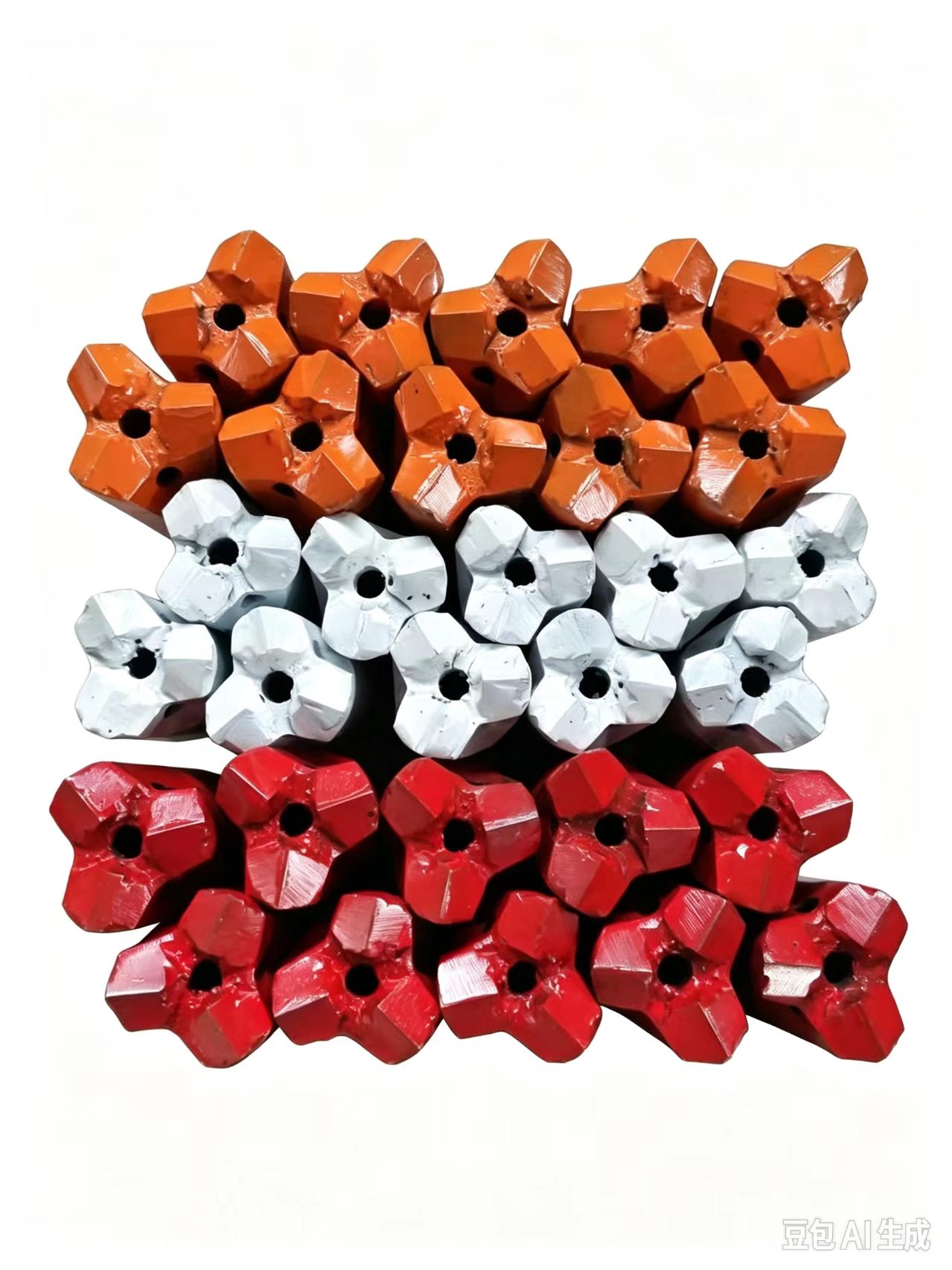
- Cross bits with four wings and carbide inserts or buttons cut a round, centred hole and suit a wide range of clay conditions. The geometry that makes them work through clay and lining is described in how cross type bits cut taphole clay and lining.
- Slitter and narrow profile bits concentrate force into a small area, which helps when a hole has to be started in hard, well cured clay or reopened after a partial seal.
- Button faced and dome bits crush rather than shave. They hold up in abrasive, high temperature conditions but sacrifice some centring behaviour.
- Gauge protection matters in every design: once the outer diameter wears under size, the hole starts to close and the following holes get harder to drill.
The specification conversation worth having
When a plant changes clay supplier, the drilling tools are usually the last item on the list and the first to be blamed. A better sequence:
- Note the clay type, batch and cure time on the drilling record for one week.
- Record penetration time per hole, feed pressure and any bit changes.
- If the numbers move, revisit bit geometry and carbide grade before touching feed rates or drilling depth.
- Ask the tool supplier for a trial batch in the geometries you want to compare – see custom bits and rods built to working conditions.
What a plant should not do is compensate for harder clay by drilling deeper or faster. That pushes the tool past the taphole into the hearth lining, which is a consumable problem converted into a refractory problem. Carbide grade selection is part of the answer, and it is covered in tungsten carbide tips for blast furnace drilling.
Frequently asked questions
Does harder clay need a different bit?
Usually a different geometry and a tougher carbide grade, not simply a larger machine. Measure penetration time first, then change one variable at a time.
Can a bit be reused across different clay types?
It can, though life and cutting behaviour will vary. If a plant runs different clay bodies for different furnaces, keep the tool sets separated and labelled.
Tell us the clay you use, the taphole depth and the diameters you drill, and we will recommend bit geometries to trial side by side.