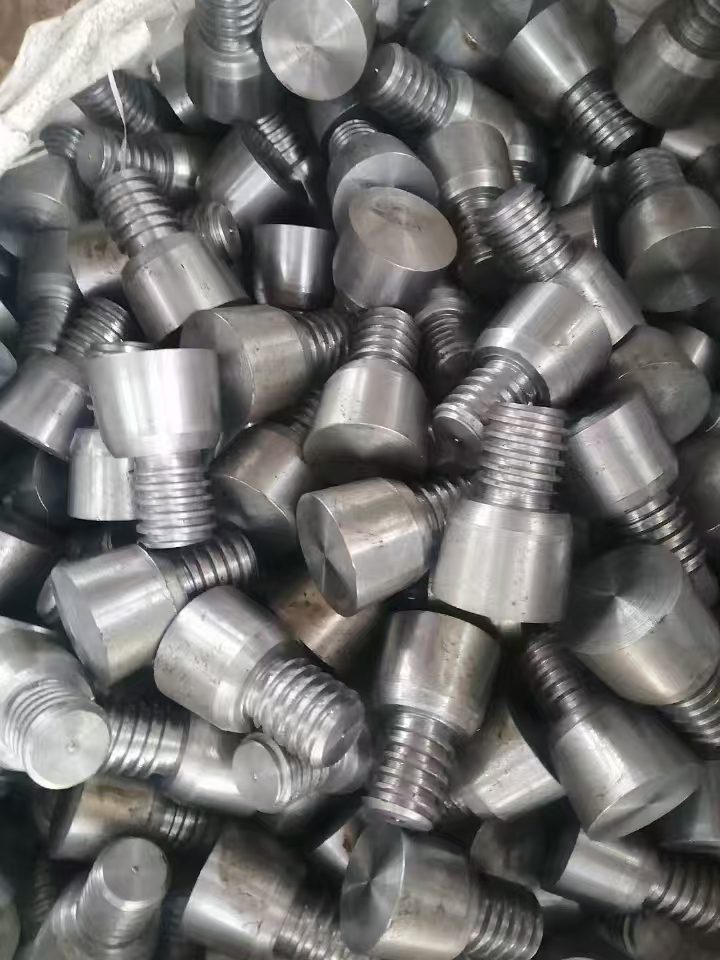
Cast house work happens in front of a stream of molten iron, which makes taphole drilling safety a frontline discipline rather than a compliance exercise. Procedures, protective equipment and training carry most of the weight, but a surprising share of incidents trace back to the tool set: a rod with a hidden crack, a connector with a worn thread, an adapter that was pressed back into service one campaign too long.
Where the tool set meets the hazard
- Breakout and blowback. When the hole opens, hot metal and gas leave under pressure. The drill must be withdrawn promptly and cleanly, which depends on a string that is not jammed.
- Tool breakage. A rod or adapter that fails under torque releases stored energy and leaves debris in the taphole, close to people and equipment.
- Kickback and machine reaction. Oversized tools, a blunt bit or a bent rod all raise the reaction the operator has to control.
- Heat and steam. A tool run past the taphole carries heat back along the string. Length matters here, and so does the cooling arrangement around the machine.
The pre-cast check that takes three minutes
- Straightness. Roll the rod on a flat surface. Any visible run-out is a rejection, not a straightening job.
- Thread condition. Look for flattened crests, galling and corrosion. Thread damage is progressive and always gets worse.
- Seating. Fit the bit by hand first. If it will not seat without force, do not run it.
- Length and depth reference. Confirm the string length against the intended drilling depth, so the operator has a visible stop point.
- Guard condition. Protective shields and centring pieces belong on the machine, every cast – they exist for a reason.
The same disciplines appear, in a maintenance context, in our quality control checklist for drill bits and rods and in the driving procedure itself, from alignment to breakthrough.
Buying decisions that are also safety decisions
Consumable purchasing sets the physical limits of the job. Three choices matter more than price:
- Material and heat treatment. A rod that is too hard fractures; too soft and it bends. The grade conversation for 42CrMo and 40Cr applies here first and to the forging, second to the price.
- Thread tolerance. Loose joints back off under vibration. Tolerance should be a written requirement.
- Consistency across batches. A tool set that behaves differently every delivery makes training and procedure unreliable.
It is worth saying plainly: the lowest quotation is often the one with the least evidence behind it. The failure modes that follow are covered in five causes of bit breakage to check on site – every one of which is also a cast house risk.
Making the routine stick
A pre-cast check only works if it is quick and visible. Hang the rejection criteria on the wall of the tool store, keep a straightness plate and a thread gauge beside it, and give the operator the authority to refuse a part without a debate about cost. Track refusals: a rising count on one part number is a specification problem, and a falling count after a change is proof the fix worked. Safety performance in a cast house is built from small habits, and tool inspection is one of the least expensive of them.
Frequently asked questions
How often should rods and adapters be retired?
On condition, not on a calendar. Retire on visible bend, thread wear, corrosion or any crack indication, and record the reason so that patterns appear early.
Does a longer rod reduce heat exposure?
It changes where the heat travels and how the operator controls the machine, which is why the length should match the drilling depth and the machine’s stroke rather than being chosen from stock.
Building a tool standard for your cast house? Send us your taphole details and the failures you have seen, and we will propose a specification and an inspection routine that keeps the risks where they belong.