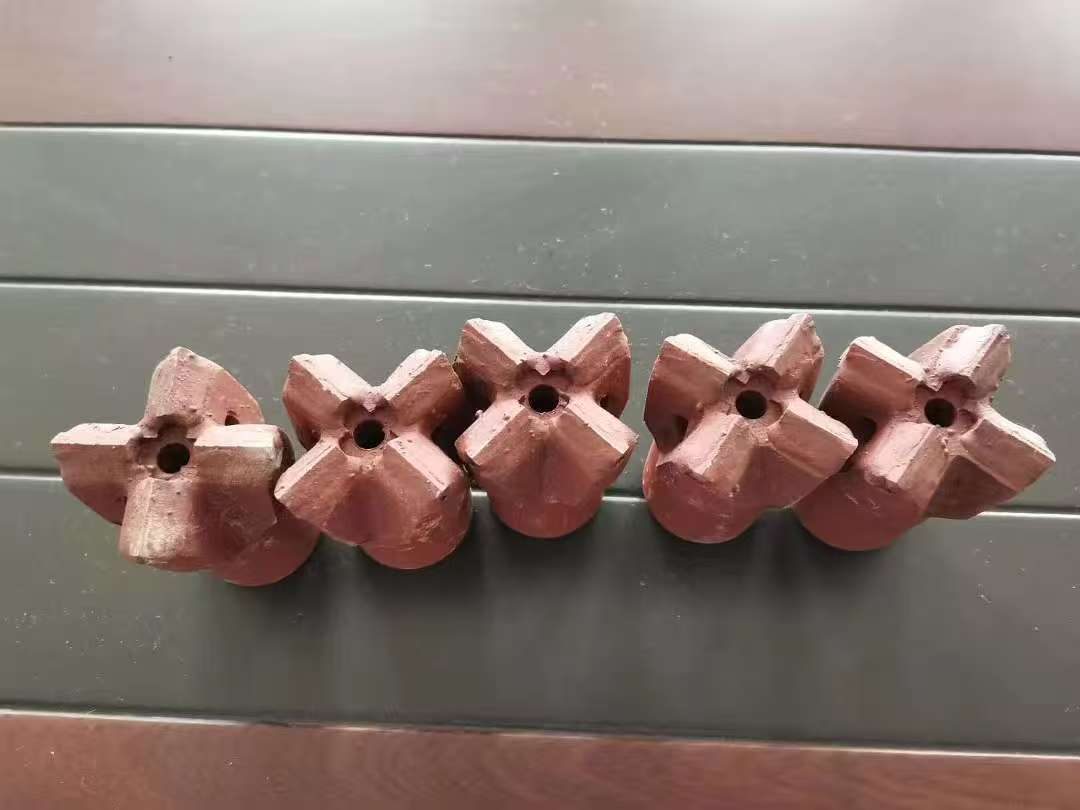
There is no shortage of suppliers of steel consumables from China. There is a shortage of suppliers a plant can keep for ten years. The difference is rarely visible in a price list, and it is almost always visible in one focused conversation about drawings, tests and lead times. Here is the checklist we would use if we were on the buying side.
Six questions that separate suppliers
- Can you quote to my drawing? A specialist works from your drawing and returns it with the quotation, including tolerances. A trader copies a catalogue part number.
- Where is the heat treatment done in house? This is the single most revealing question for drill rods and bits. Furnace ownership and calibration tell you more than any brochure.
- What do you measure, and with what? Hardness testers, thread gauges, run out checks and a documented inspection record are the minimum. Our quality control checklist lists what should be checked on every batch.
- Which steel plants already buy this? References from steel cast houses – not only from mining or construction – show whether the supplier understands taphole conditions.
- Will you make a trial batch? A plant that will produce the exact geometry you use, in a small quantity, intends to keep you.
- Who answers technical questions? An engineer with drawings beats a sales channel with automatic replies.
The documents to ask for and read
- Material certificate for the bar: grade, heat number, chemical composition.
- Hardness report with the test location, not only a value.
- Dimensional inspection record for the parts you care about: length, diameter, run out, thread gauge result.
- Packing specification covering protection of cutting edges, corrosion protection and container loading – see export packing.
Read them rather than filing them. A certificate for the wrong heat number is more informative than no certificate at all.
Red flags worth walking away from
- A price that undercuts every other offer without a stated hardness range.
- Claims to make anything – from drill bits to scaffolding – on one site.
- Unwillingness to state a thread tolerance class.
- Sample policy that quietly sends a different product than the quotation describes.
- No interest in the operating conditions: clay type, taphole diameter, drilling machine.
Why custom production is a quality signal
A supplier that builds to your conditions has to understand them. That conversation is what the custom bits and rods service is built around, and it produces a better outcome than choosing from a shelf: the tool matches the taphole depth, the clay and the machine rather than approximating it.
How to run a first order
Structure the first order so that it tests the supplier as much as the product. Ask for one part from each family you buy – a bit, a rod, an adapter, a connector – with the drawings and certificates attached, and measure them on arrival against your own gauge. Then run the tools on a shift where you can watch penetration time and feed pressure. A supplier who supports that process patiently is a supplier to keep; one who treats it as an inconvenience will be just as inconvenient when a casting schedule depends on them.
Frequently asked questions
Should a first order be a sample or a full shipment?
A trial batch of the geometries you use most, checked against your own measurement, is the lowest cost form of due diligence available.
Is a factory audit necessary?
For a long term consumable account it pays for itself. If travel is not practical, ask for the inspection record, then verify the first two deliveries by cutting and measuring one part.
If you would like the checklist applied to a live requirement, send us your drawing and operating conditions and we will return a quotation with the certificates, tolerances and packing details attached.