In most drilling, a hole slightly over or under size is an annoyance. In roof bolting and anchor work it is a structural problem: the resin or grout has to fill the annulus between the bolt and the hole wall, and the hole diameter is what decides whether that happens. Choosing a roof bolting drill bit therefore starts with the hole, not with the bit price list.
The hole is part of the bolt
A rock bolt only works if the load can travel from the bolt into the rock. With resin-anchored bolts, the resin cartridge is spun through the hole and expands to fill the gap around the bar. If the hole is too small, the cartridge cannot spin and the resin does not mix. If the hole is too large, the resin layer becomes thick, the bolt sits off-centre, and anchor strength drops.
In practice that means the bit diameter is chosen together with the bolt diameter, not afterwards. Typical bolting practice leaves a controlled annulus of a few millimetres around the bar, and the bit must hold that diameter through the whole hole – which makes gauge wear the key performance figure on a bolting bit.
Bit types used for bolting holes
- Tapered bits. Friction-fit on a tapered rod, quick to change, the standard for hand-held and small bolting rigs in coal and soft-to-medium rock.
- Button bits. Crush harder rock and can be reground, which makes them the economical choice where bolts are installed in hard strata all day.
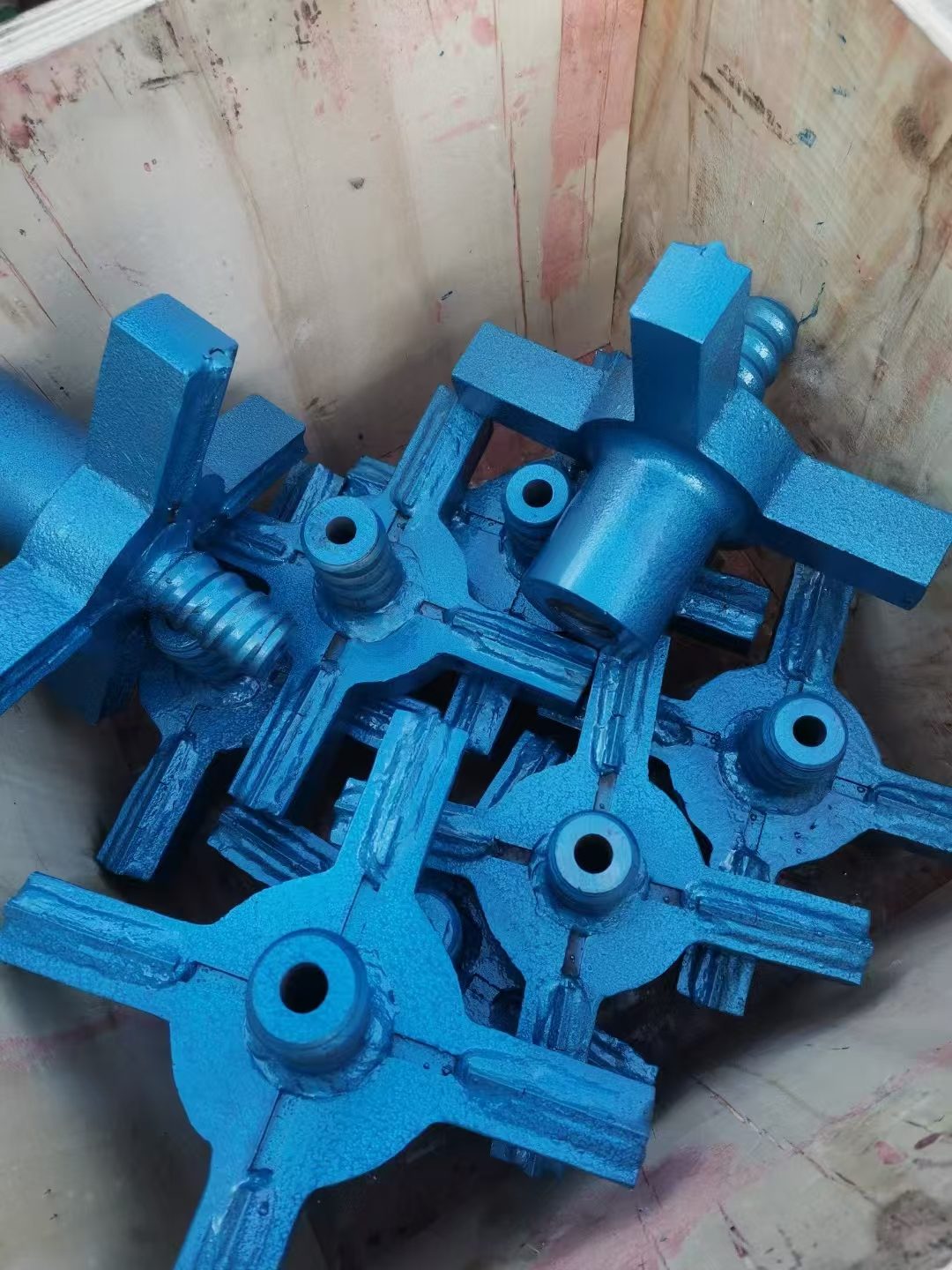
- Cross and four-wing bits. Used where a straight, on-size hole matters more than speed, and in mixed ground where a two-wing chisel tends to wander.
- Self-drilling anchor bits. A sacrificial bit that stays at the end of a hollow bar and becomes part of the anchor. Here the bit is a component of the support system, not a consumable, and it must match the bar exactly.
What to specify in a bolting order
- Hole diameter, with a tolerance – and the bolt diameter it pairs with.
- Rock type and hardness, which decides button or chisel, and the carbide grade.
- Shank or taper exactly as measured from the drill or the existing rods.
- Gauge requirement: the maximum wear you are prepared to accept before the bit is retired, because that sets the replacement interval.
- Water or air flushing, including the pressure and volume available at the face – bolting rigs often run at lower flushing pressure than production drills, which changes the bit’s heat load.
Why bolting bits fail early
The failures are consistent: gauge wear that shrinks the hole so resin cartridges jam; washout from insufficient flushing; and snapped buttons from feeding a stopped or stalled string. Bolting is usually done in a hurry, in a roof that has just been exposed, by a crew with the next row waiting. Bits suffer accordingly, which is why the smartest change most mines make is a simple one: a gauge check on every bit before it goes back up, and a clean water path.
If you cannot measure gauge at the face, mark the bits from a new box and retire them together. A bit that drills ten under-size holes has cost more than the ten bits you would have bought by checking.
Frequently asked questions
Can I use the same bit for roof bolting and production drilling?
It is possible but rarely wise. The two jobs want different things – production drilling wants speed and life, bolting wants a consistent, slightly tight hole. A bit optimised for one is a compromise in the other.
How often should a bolting bit be replaced?
On gauge, not on time. Measure across the outer row and set a limit for your bolt and resin system. Regrinding can restore a button bit, but never regrind below your gauge limit – see when to regrind a button bit.
What if my hole wanders in broken ground?
Wandering usually means the bit is being pushed sideways by a hard band or a void. A four-wing cross bit supports itself better than a chisel, and a stiffer rod helps. Our comparison of bit shapes explains the geometry.
Send us your bolt diameter, rock description, drill model and the flushing you have available, and we will specify a bolting bit that holds the hole size your anchor system needs.