Every forecast for the steel industry now includes a rising EAF share, and the numbers are moving in that direction. Market research published in early 2026 values the global electric arc furnace equipment market at around 1.1 billion dollars by 2030, growing at roughly 5.6 percent a year. In China, where output still runs above 960 million tonnes a year, policy explicitly favours electric and hydrogen based steelmaking, with an EAF share target that has been discussed at around 15 percent of production.
For a cast house, the interesting question is not the percentage. It is what changes, and what does not, when a mill shifts from iron ore in a blast furnace toward scrap in an arc furnace.
Two tapping systems, two tool families
A blast furnace taps molten iron through a clay sealed hole that is opened with a drill – a machine, a rod, an adapter and a bit, working a few metres into refractory and clay. An electric arc furnace taps through an eccentric bottom tapping hole or a tapping spout, using oxygen lances, tapping tools and refractory practice rather than clay drilling.
They are not the same consumable category, and neither replaces the other:
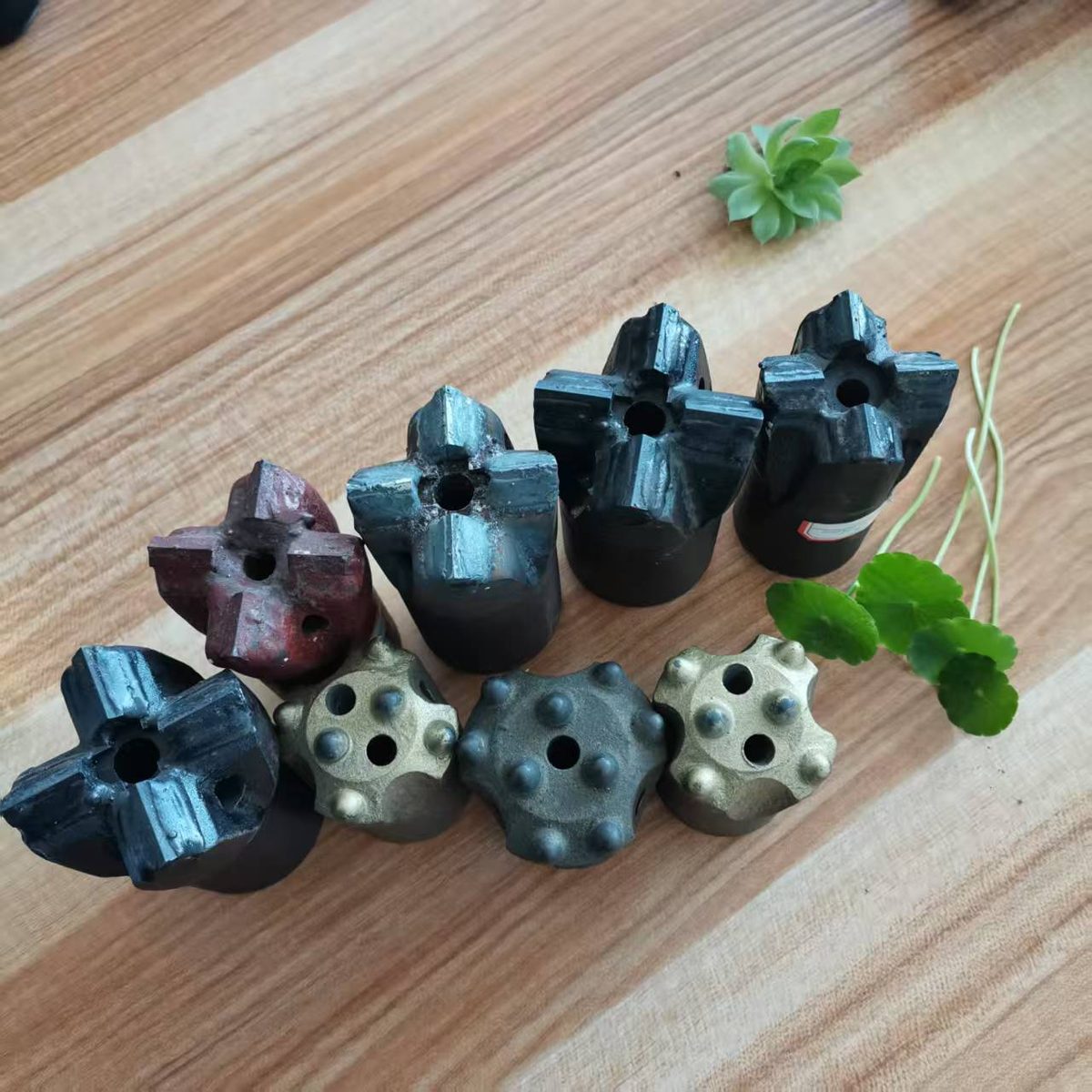
- Blast furnace and ferroalloy furnaces need taphole drills, rods, cross and button bits, and the connectors between them.
- Electric arc shops need tapping and slag door tooling, lances, and ladle and refractory consumables.
- Direct reduction plants need materials handling, refractory and tapping equipment, with a growing interest in the same high temperature tooling logic.
Why the blast furnace fleet gets busier, not quieter
Here is the part of the transition that gets lost in the headline percentage. Steel demand is not falling fast enough for electric steelmaking to absorb the difference. Scrap supply is finite, and residual elements such as copper and tin limit how much scrap can go into demanding flat products. The result is a fleet of blast furnaces that is smaller but works harder: fewer furnaces, each pushed to higher productivity, each drilling its tapholes more often, each running in a plant where downtime is more expensive than it used to be.
That is a favourable backdrop for tool life and specification, and an unfavourable one for false economies. When a plant runs two furnaces instead of four, downtime reduction in taphole drilling stops being a maintenance slogan and becomes the operating plan. The practical levers – correct bit geometry, matched rod length, clean threads, controlled feed – are in our standard operating procedure for taphole drilling.
What a buyer should do with this
- Keep the two categories separate in your stores. Mixing blast furnace drilling tools with arc furnace tapping tooling is how part numbers multiply and inventories bloat.
- Plan for higher utilisation. If casting frequency rises, consumable usage rises with it. Stock levels should follow the cast schedule, not the tonnage.
- Do not cut tool quality to fund a transition. A furnace that produces more of the plant’s cash flow deserves better consumables, not cheaper ones.
Frequently asked questions
Does a rising EAF share cut demand for taphole drills?
It reduces the number of tap holes over decades, while raising the intensity of use at the furnaces that remain. For the near and medium term the effect on total taphole drilling tool demand is small and slow.
Can blast furnace drilling tools be used in an EAF shop?
Rarely. Taphole bits and rods are sized and threaded for the drilling machine, not the melting furnace, and the two tool families serve different tasks.
Whether you run the blast furnace route, the electric route or both, tell us your tapping arrangement and we will specify the tooling that belongs on it.