With steel and carbide prices fairly transparent, quotes for BF drill rods and bits can still vary dramatically. A rod of the same size may be quoted anywhere from 100 to 200 yuan; a cross bit may differ by double. Buyers who look only at unit price easily fall into the traps behind the low price.
The first trap is material substitution. The drawing says 42CrMo, but what actually arrives may be ordinary Q345B or even inferior welded pipe. Such rods look the same, but without proper quench-and-temper hardness or impact toughness, they bend or crack the threads after just a few heats. The fix: require mill certificates and heat-treatment reports, sample-check hardness on arrival, inspect fracture surfaces, and run a spectrometer when in doubt.
The second trap is wall-thickness trimming. A nominal 12 mm wall may actually measure only 9–10 mm. Thin walls make the shaft flexible, causing vibration, bending and loss of flushing pressure. On receipt, measure OD and wall thickness at both ends and mid-body with calipers; never trust the label alone.
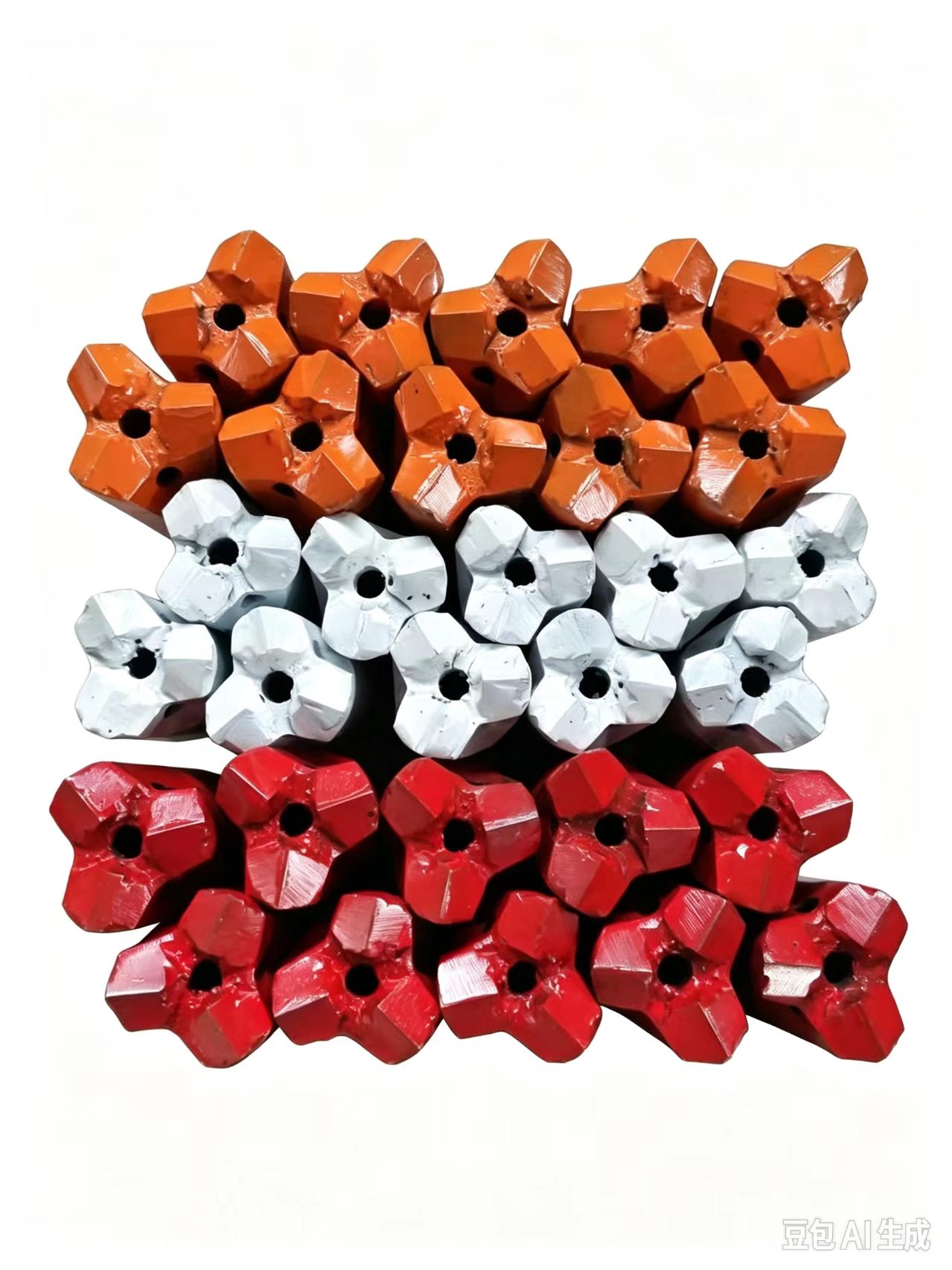
The third trap is inferior carbide. A bit's value lies largely in its carbide buttons. Cheap bits use ordinary or reclaimed carbide with coarse grains and poor wear resistance; they look identical but flatten or chip after a few holes. Truly wear-resistant carbide shows a dense fracture and even color, with clean, slag-free brazing.
Buying BF rods and bits is essentially buying "tapping without unplanned downtime." A few thousand yuan saved on one cheap purchase may cost far more after a tap-hole accident or a hot repair. Holding the line on material certs, wall thickness and carbide grade is the real way to save money.