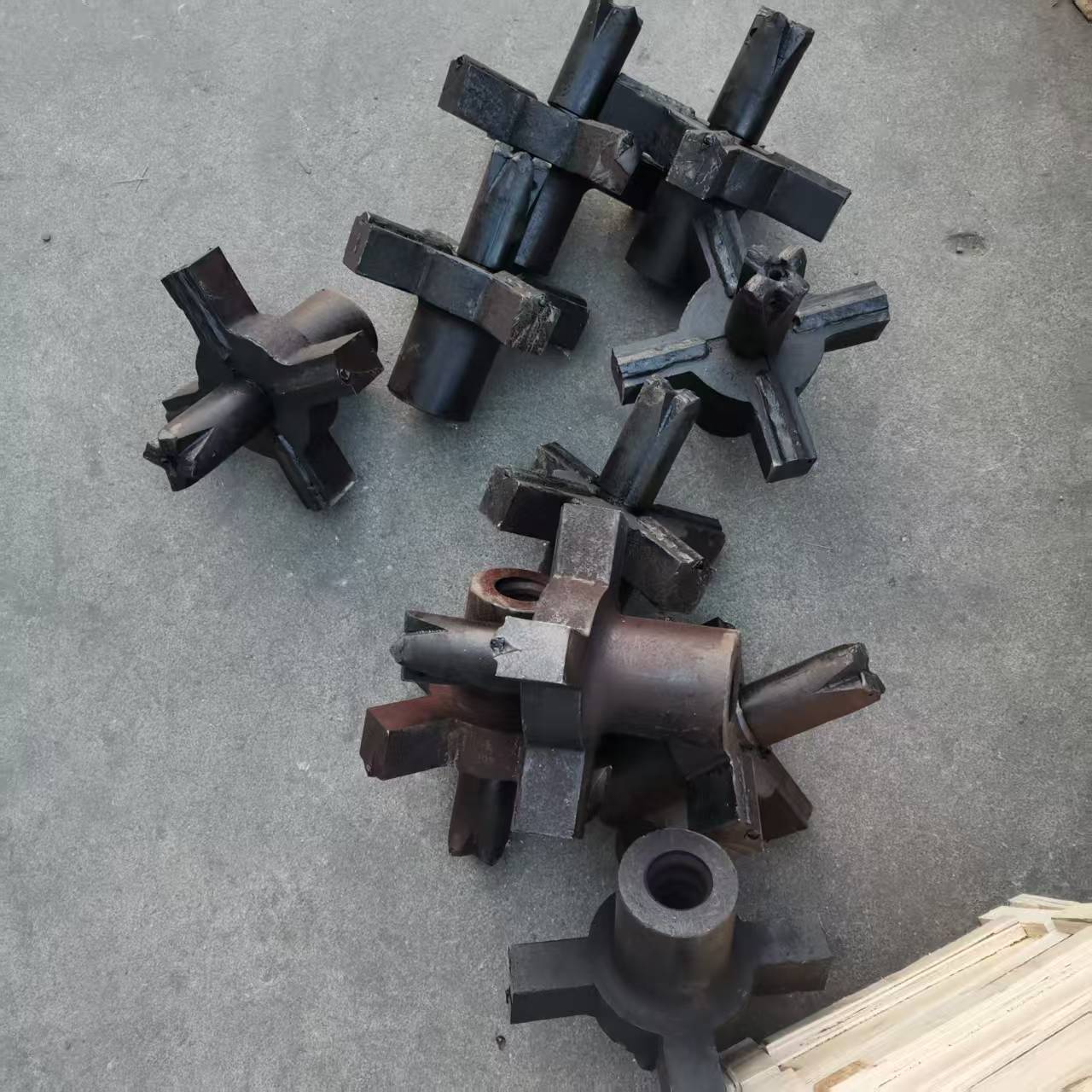
Taphole drilling is a short operation, but an unexpected tool failure can interrupt a much larger production sequence. Reducing downtime requires more than buying stronger drill bits. It depends on how the complete tool assembly is selected, operated, inspected, and replaced.
Keep the Drill String Aligned
Misalignment increases bending stress, vibration, and uneven wear. Check that the drilling machine, shank adapter, rods, coupling sleeves, and bit follow the intended hole path. Replacing a bent rod early is usually less expensive than allowing it to damage the bit, coupling, or machine connection.
Control Connections Before They Loosen
Clean threads, correct lubrication, and controlled tightening help maintain stable contact. Inspect connections after drilling and look for heat, polishing, deformation, or difficulty separating components. A connection that requires excessive force to loosen is giving an early warning that should be investigated.
Stop Drilling When Performance Changes
An experienced operator can often detect changes in sound, penetration rate, or vibration before a tool fails. Continued drilling with a dull or damaged bit can overheat the carbide, bend the rod, and overload the machine. Define a practical stop condition so the team knows when to inspect rather than push through the problem.
Use a Simple Wear Record
- Product identification and installation date.
- Holes completed and drilling time.
- Observed hole diameter and penetration change.
- Condition of carbide buttons and steel body.
- Thread, sleeve, and adapter condition.
- Reason for removal and remaining useful condition.
Plan Spare Parts by Condition, Not Guesswork
Use wear records to estimate replacement intervals for bits, rods, coupling sleeves, and adapters. Keep critical spare sizes available, but rotate stock so older components are inspected before use. A small inventory of proven parts can prevent a routine wear issue from becoming a long shutdown.
Standardize the Tool System
Different bit sizes, thread forms, and connection standards increase the chance of assembly errors. Where possible, standardize the parts used for a given drilling machine and working condition. Shandong Feiteng can supply matching drill bits, rods, coupling sleeves, and adapters so replacement components follow one coordinated specification.
Reliability Comes from Small Improvements
Reducing downtime does not always require a new drilling system. Better alignment, earlier inspection, cleaner threads, and planned replacement can produce significant improvement. Review failures by cause and adjust one variable at a time to build a reliable, site-specific practice.