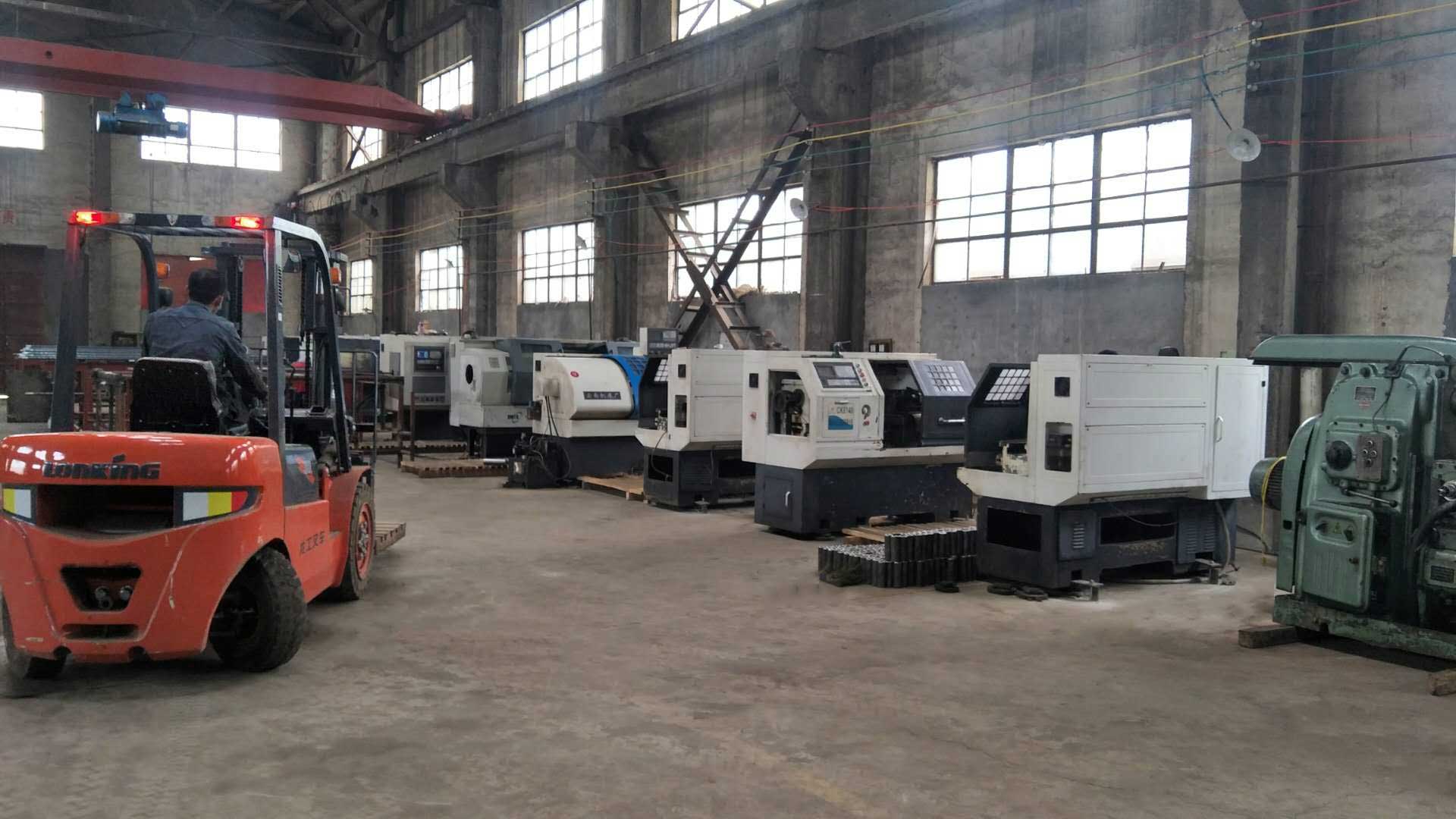
Blast furnace drill bits and rods look straightforward, but their performance depends on a sequence of manufacturing steps that are difficult to see from the finished product. Heat treatment and precision machining are especially important because they determine whether the tool can carry impact, maintain alignment, and preserve a reliable connection in service.
Heat Treatment Develops the Steel Structure
Heat treatment is used to develop the required combination of strength and toughness in alloy steel. Temperature, holding time, and cooling must be controlled for the selected material and part geometry. If the process is not stable, the result can be a tool that is too soft to resist deformation or too brittle to absorb impact.
Thread Accuracy Protects the Connection
Threads must engage smoothly and provide correct shoulder contact. Even a small dimensional error can create a poor fit that loosens under vibration. Precision machining supports consistent pitch, profile, and alignment across rods, coupling sleeves, and shank adapters. Each connection should be checked as part of the complete assembly.
Machining Maintains Straightness and Balance
Straightness is essential for energy transfer. A bent rod or off-center bit increases vibration, wears the taphole unevenly, and adds stress to the machine and connection components. Dimensional control during machining helps ensure that the finished tool matches the drawing and fits the expected equipment without modification.
Key Production Checkpoints
- Verify incoming steel and carbide material before production.
- Control heat-treatment temperature and time for each batch.
- Inspect critical diameters and lengths after machining.
- Check thread fit with gauges or mating components.
- Confirm carbide placement, protrusion, and bond quality.
- Perform final surface and packing inspection.
Consistency Is the Goal
One good sample is not enough for industrial use. The value of manufacturing control is consistency across production batches. A repeatable process helps customers plan maintenance, standardize spare parts, and avoid the cost of adapting each shipment to the equipment.
Manufacturing Support for Custom Tools
Shandong Feiteng produces standard and customized blast furnace drill bits, drill rods, coupling sleeves, and shank adapters. We review dimensions, material requirements, and working conditions before production, then inspect the finished parts before shipment. This process-oriented approach helps deliver tools that fit the intended application rather than only matching an approximate size.